Meditation is a great way to bring the focus back to you. This ancient practice has been highly regarded for thousands of years. Originating in the Eastern part of the world, meditation and mindfulness are key to Eastern culture. Both form a key part of spiritual growth and self-realisation, and their popularity has spread throughout the West in modern times. 

There has been much research on the health benefits of meditation. Meditative practice has been linked to a reduction in heart disease and chronic pain, and it’s even thought to regulate blood pressure. The long term meditation benefits not only help the physical side of wellbeing, but mental health too. Studies have shown that meditation reduces stress and helps to induce a sense of calm and inner peace. 

The benefits of meditation are widely spoken about, but if you’re wondering, ‘how does meditation work?’, it’s actually all about the connection between our mind and body. Meditation gives us a chance to become quiet, focus on the present moment, and notice the thoughts and feelings we may usually miss during our busy day.

Read on to discover more about how regular meditation can become an important part of your self-care routine.

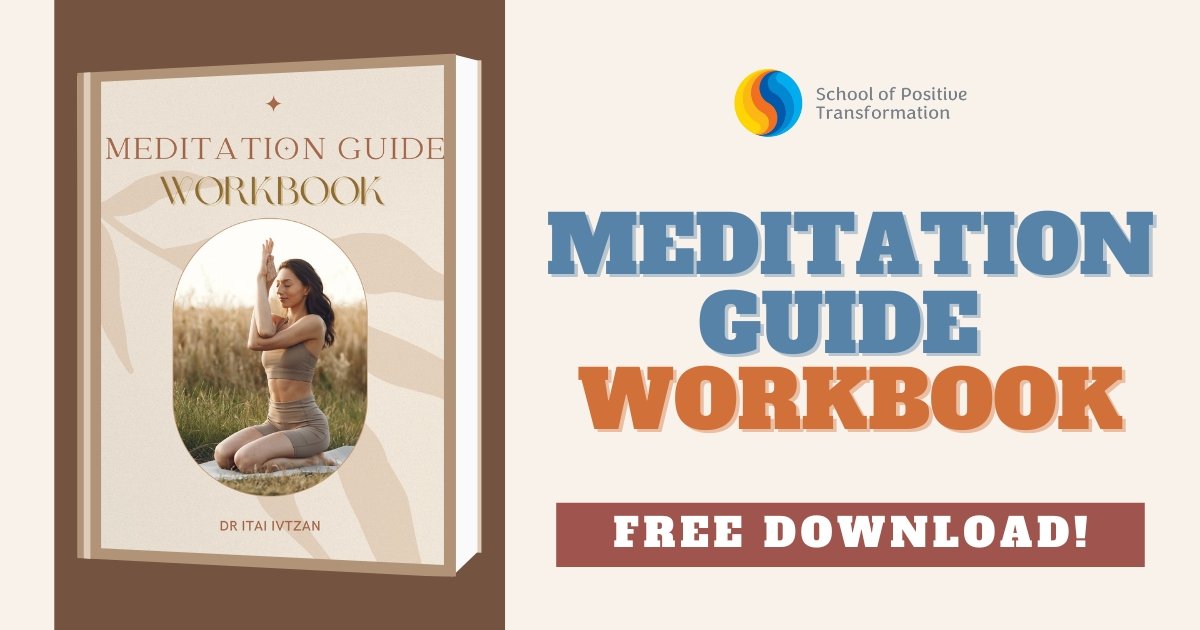
Before you continue you might like to consider our free worksheet on exploring “Meditation Guide”. Please download this worksheet here.

The importance of self-care

Modern life often sees us prioritising everything other than our own well-being, which often leaves us feeling overwhelmed and detached from happiness. When tough times and challenges arise, it’s important that we have enough capacity to be able to deal with whatever comes our way. And that means dedicating time to nurturing our body, mind and spirit. 

Here are just a few of the ways that self-care can benefit your life:

It helps you to feel healthy

When you prioritise your well-being, whether that be diet, exercise, or making more space for yourself, it will help you to feel more healthy in general. When your focus is on healthier choices, you are more likely to make ones that benefit the whole of you. 

It increases your self-awareness

Caring for yourself allows you to get to know yourself more deeply. When you are busy and prioritising everyone else, you don’t make the space to consider what you might want from your life. Self-care allows you to focus your full attention on yourself and listen to your inner self. The higher your self-awareness, the easier life becomes. 

More space for things that matter

Establishing self-care routines in your life will mean that you begin to implement boundaries. This means considering your own wants and needs and knowing where and when to give your energy and time. The more you say no to the things that no longer feel good, the more space you will have for things that matter to you.

Reduces your stress levels

Good self-care is needed in order to have more resilience to different stresses in life. Developing a self-care routine will help you to improve your stress response and in turn, will benefit the whole of your health. When you feel less stressed, this will also mean an improvement in your immunity and less likelihood of experiencing illness. 

Boosts self-esteem

Taking time to care for yourself and meet your needs is a great way to feel better about yourself. This is a great habit to adopt, and will contribute to better self-talk and more positive thoughts, and will also help you become clearer on your values. The more you’re able to live aligned with who you are, the better you will feel. 

Creating a self-care routine

The thought of creating a self-care routine may feel daunting, but there are lots of simple ways that you can begin to introduce self-care into your life. Here are a few ideas to get you started:

Spend time outside

Getting outside can make all the difference in how you are feeling. It’s a great way to feel refreshed and prioritise yourself. Whether it’s a daily walk, or spending time in a location that brings you joy, making a commitment to yourself to prioritise time outdoors will benefit the whole of your wellbeing. 

Meditation 

Meditation can be an important part of self-care, allowing you to carve out some quiet time and focus on yourself. There are many different types of meditation, such as body scanning, using guided imagery, and mantra meditation. Whichever form of meditation you decide to try, spiritual coaching can help to improve your technique, especially if you find your mind wandering during practice. 

Journaling

Journaling creates time for self-reflection. It’s the perfect space to focus on yourself and develop your self-awareness. This dedicated time is a great way to connect with yourself, reflect on the things happening in your life, and hold space for you to feel your emotions. Getting into a routine of journaling each day can be an important way to care for yourself. 

Making time for hobbies

Doing things that you love is an important part of self-care. Committing time to things that bring you joy will enhance all of your well-being. If you’re struggling for ideas, think about things you enjoyed as a child. Or consider changing up the energy and trying something completely new.

Prioritise movement

Movement is a really important part of self-care. Emotions can become stuck in the physical body, so adding movement into your day will help you to shift these and feel what you’re feeling. This might be an exercise routine, a daily walk, or even dancing while you do chores at home. Moving the body will benefit your physical and mental health. 

Key takeaways

In today’s busy world, self-care is more important than ever before. This means prioritising your needs and making a commitment to value yourself and put your needs at the forefront of your life. 

There are many different ways you can begin to include self-care in your day. One of the best ways to focus your attention on yourself is by taking up a meditation practice. Meditation is the perfect way to learn to become more present and create a sacred space to honour your needs. 

Give it a go today – whether you want to practise mindfulness meditation to become more present, reduce stress in your day, or learn how to meditate for anxiety, meditation can truly change the game when it comes to creating space for self-care in your life. 

About the Author

Gareth Michael is a spiritual coach, teacher, channel of Michael, and author of the best-selling book Ever-changing Perspectives. He provides tangible, practical spiritual support stemming from his own life lessons and Michael’s profound wisdom and teachings. His personalised guidance helps people heal, find their spiritual direction, and understand their purpose.

If you’re ready to make meditation and self-care an essential part of your routine, download our free Meditation Guide Workbook here to start your journey towards greater peace and well-being.

WAIT!

Before you go, we'd like to give you a FREE workbook to support your journey 👇

Smiling woman with wavy brown hair wearing a navy blazer and white shirt, standing in a softly blurred office setting, conveying positivity.

Carolyn Freyer-Jones

Kickstart Your Coaching Practice

Highlights & Achievements:

Coach, facilitator, and contributor to coaching education. Carolyn is associated with practical coaching training and learning resources, supporting coaches and leaders in developing effective, ethical, and reflective coaching practices.
Man in a light blue shirt smiles gently at the camera. He has short, dark hair and stands against a blurred indoor backdrop, conveying warmth and approachability.

Rob Willson

Cognitive Behavioral Coaching

Highlights & Achievements:

Coach and educator contributing to leadership and coaching skills development. Rob is involved in professional training contexts, supporting the application of coaching tools and methodologies in organisational settings.
A woman with shoulder-length blonde hair is confidently posing with crossed arms. She wears a black and white checkered outfit and a necklace. The background is softly blurred, suggesting an indoor setting.

Prof. Ilona Boniwell

Positive Psychology Coaching

Highlights & Achievements:

Professor of Positive Psychology and Coaching Psychology. Ilona is a pioneer of applied positive psychology education in Europe and has founded and led postgraduate programmes in the field. Her work focuses on wellbeing, resilience, strengths, and evidence-based positive psychology interventions.
A middle-aged man with short gray hair and a beard wears a white turtleneck and a navy blue striped sweater, standing confidently indoors.

Jon Williams

Coaching for Performance

Highlights & Achievements:

Coach and contributor to professional coaching education and training programmes. Jon is involved in leadership and coaching development initiatives, supporting skill-building and reflective practice within organisational and coaching contexts.
A man in a blue suit and light blue shirt, with curly blond hair, smiles softly against a blurred, bright indoor background, conveying professionalism.

Prof. Erik de Haan

Relational Coaching

Highlights & Achievements:

Professor, executive coach, and leading expert in coaching supervision. Erik is widely recognised for his contributions to relational coaching, organisational development, and reflective practice, supporting both individual coaches and leadership systems worldwide.
Elderly man in a dark suit and striped shirt smiles warmly, standing in a bright, blurred background. The tone is professional and approachable.

Prof. Peter Hawkins

The Coaching Relationships

Highlights & Achievements:

Professor of Leadership and a leading authority in systemic team coaching and coaching supervision. Peter works internationally with boards, leadership teams, and organisations, and has written extensively on leadership, coaching culture, and systemic change.
Smiling older man in glasses and a light pink shirt sits indoors, with a softly blurred background of a modern, brightly lit office space.

Prof. David Clutterbuck

Goals

Highlights & Achievements:

One of the world’s most influential figures in coaching and mentoring. Professor Clutterbuck has authored and co-authored foundational texts in coaching, mentoring, and organisational development. His work has shaped global standards for coaching practice, supervision, and mentoring relationships.
A bald man in a dark, buttoned shirt with patterned cuffs stands indoors. He smiles subtly, with a bright, blurred background, exuding a calm, confident presence.

Devon White

Communication

Highlights & Achievements:

Coach and leadership development practitioner involved in contemporary coaching education. Devon has contributed to professional coaching programmes and discussions alongside established academics and practitioners in the coaching field.
Smiling woman with short auburn hair wearing a black dress and polka dot jacket. She stands confidently in a bright, blurred office setting.

Linda Aspey

The Coaching Relationships

Highlights & Achievements:

Coach, facilitator, and contributor to professional coaching education. Linda is recognised within the coaching psychology and leadership development community for her involvement in learning programmes, events, and reflective coaching practice.
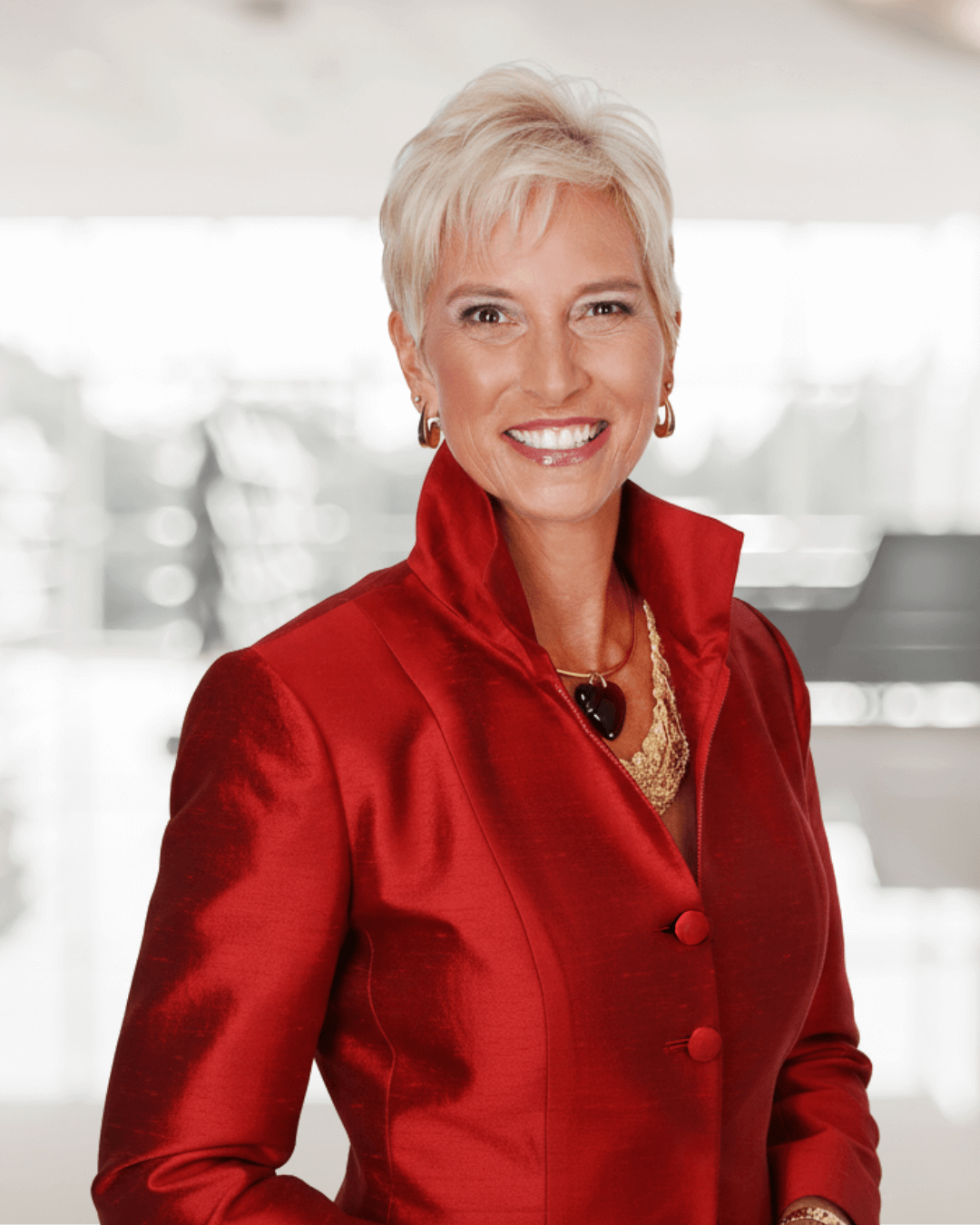
A woman with short white hair smiles confidently, wearing a red blazer with a popped collar. The background is softly blurred, creating a warm, professional ambiance.

Dr. Chérie Carter-Scott

Psychological Foundations

Highlights & Achievements:

Executive coach, author, and pioneer in the coaching profession. Often referred to as “The Mother of Coaching,” Dr. Carter-Scott has been a leading voice in personal and professional development since the 1970s. She is a bestselling author and has trained coaches and leaders worldwide in motivation, leadership, change, and self-esteem.
Smiling man in suit with colorful tie stands in bright, blurred office. Hands clasped, he exudes confidence and warmth.

Prof. Jonathan Passmore

An Introduction to Coaching

Highlights & Achievements:

Chartered Psychologist, Professor of Coaching and Behavioural Change, executive coach, and author. Jonathan has published extensively in coaching psychology, leadership, and organisational change, including numerous academic articles and books. He bridges academic research and applied practice, contributing globally to coach education and evidence-based coaching.
Smiling man in a black suit and white shirt stands against a softly blurred, bright background. The atmosphere is professional and approachable.

Dr. D. Ivan Young

The Coaching Relationships

Highlights & Achievements:

Coach, educator, and thought leader in professional and relationship-focused coaching. Dr. Young is frequently featured alongside senior coaching scholars and practitioners in advanced coaching education and professional development settings, contributing to the evolution of reflective and relational coaching practice.
Smiling woman with short red hair wearing a blue blouse and earrings, standing in a softly blurred indoor setting, conveying a warm, professional tone.

Catherine Bell

Psychological Foundations

Highlights & Achievements:

Professional Certified Coach (PCC) and Master of Applied Positive Psychology (MAPP). Catherine specializes in leadership transitions, executive presence, and sustainable performance. Her work combines positive psychology, emotional intelligence, and strategic leadership development to help leaders thrive while maintaining wellbeing and purpose.
Smiling man in a navy blazer and shirt stands confidently with hands in pockets. The backdrop is a softly blurred office environment, conveying professionalism.

Yannick Jacob

An Introduction to Coaching

Highlights & Achievements:

Existential Coach, Positive Psychologist, Coach Trainer, and Supervisor. Yannick is the Programme Lead for the Accredited Certificate in Integrative Coaching at the School of Positive Transformation. He has taught coaching, positive psychology, and personal development at institutions including the University of East London, Animas Centre for Coaching, and The School of Life. His work integrates existential philosophy, coaching psychology, and human development to support meaningful change in individuals and leaders.
Why Meditation Should Be Part of Your Self-Care Routine

Highlights & Achievements: