The benefits and importance of positive psychology

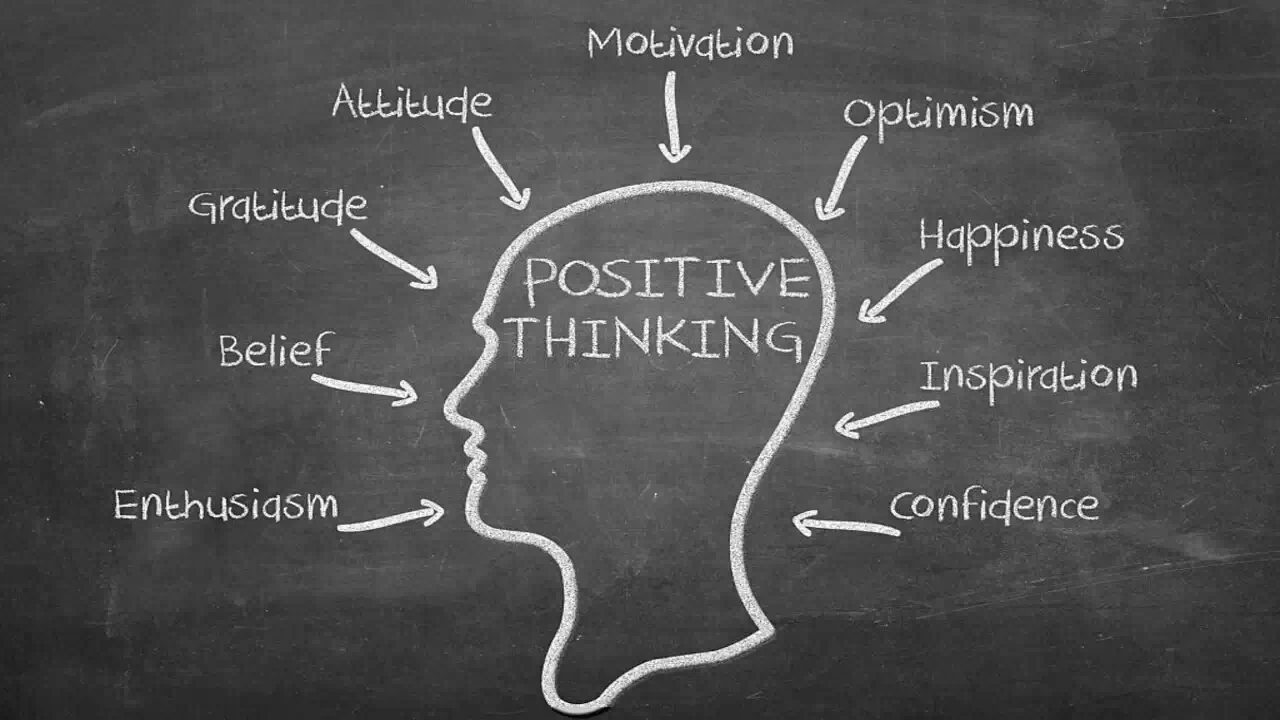
Positivity attracts positivity. This belief has hovered for ages, but in more recent times, importance of positive psychology has been scientifically-shown to lead to positive transformation.

Positive psychology utilizes a scientific approach that focuses on the strengths of human behavior, feelings, and thoughts rather than focusing on negatives such as weaknesses. The applied positive psychology approach is one that takes that old positivity and laws of attraction and brings it to fruition.

With positive psychology coaching, people learn to shift their perception to the sunnier side of life. It’s an optimistic approach that turns to experiences that bring joy, happiness, love, and inspiration while focusing on gratitude and compassion.

Before you continue you might like to consider our free worksheet on exploring “Finding Joy In Life”. Please download this worksheet here.

Where Did Positive Psychology Come From?

Martin Seligman is credited with starting the positive psychology program in 1998. As the founder of positive psychology, he believed that psychology should focus on the strengths each person has to go along with the other aspect of psychology which seeks to heal damages.

The main goal of a positive psychology program is to bring balance to the negative, creating positives for those to draw from. It’s in this slice of psychology that mental wellness lies, through those positive emotions, environments, experiences, and strengths that are unique to every person.

Positive psychology coaching involves encouraging people to meet the challenges that come their way by making the best of the lemons life throws, engaging with others, finding fulfillment through creative avenues and productivity, and selflessness to gain wisdom and satisfaction.

Benefits of Positive Psychology

Earning a positive psychology qualification means you’ll be ready to help people achieve their fullest potential and unlock gateways to the happiness they never knew existed. With positive psychology, you’ll give them the best way to face the world by charging toward positives rather than negatives, ultimately attracting more positivity.

It’s not that negative aspects should be ignored altogether. But when positive psychology coaching is added in, it gives hope that better things lie ahead down the road.

With a positive psychology certificate, you can help someone be in control of their change by showing them the light. Here are the benefits of the positive psychology program.

– Give them a greater purpose

When something bad happens, many people feel like giving up. Currently during the COVID-19 pandemic, countless people feel hopeless with job loss and an uncertain future. Negatives surely must be handled but with a balance of positivity, it teaches people how to handle challenges like these and remain productive despite everything around them. In turn, it gives them more strength to handle any negatives that come their way now and in the future.

– Makes them stronger

People that feel hopeless often don’t see the strengths they have. This is why positive psychology is so essential. It reveals these strengths. As a positive psychology practitioner, you can help people restore their confidence to master their lives.

– Improves relationships

In one of the longest studies conducted in the world, Harvard found a correlation between happiness and positive relationships. Learning a positive way of communication not only makes friendships, marriages, and family ties stronger, it also makes the mind healthier.

– Better workplaces

With a positive psychology qualification, you can cultivate better morale in workplaces. Helping employees change their outlook to a positive one allows them to enjoy life in a better way overall, plus it improves the way they interact with teams and clientele. When employees are made to feel valued through positive psychology, performance increases and everyone wins.

– Equips people to deal with failure

Positive psychology programs can’t magically eliminate failure. Sometimes bad things will happen and such a program aims to equip people to handle it. Changing thoughts to change lives has such a profoundly positive impact that goes beyond that one individual.

Teaching this positive transformation allows people to face those fears of failure and negativity and rise to the occasion no matter what comes their way. With positive psychology coaching, you can show others to see failure as a learning opportunity and leverage it to make them stronger.

Earning a Positive Psychology Certificate

Applied positive psychology trains minds to change to the positive to invoke a positive change in life. With a positive psychology certificate, you have the tools to enlighten those that need to reclaim their hope.

Today’s times are even more challenging. Before the pandemic, there was plenty of political unrest and uncertainty in the world. On top of what swirls around everyone in the world, there are personal problems people try to sweep under the rug. Things like bad relationships, job stress, family woes, and financial burdens all take their toll.

There are also traumatic experiences that arise from losing a loved one to the PTSD surrounding a sudden event like an accident. Positive psychology programs are designed to help flesh out the positivity surrounding said events to counter those negative forces.

Importance of positive psychology focuses on, well, positivity; on positive events and influences. These include positive experiences—such as joy, love, and inspiration—as well as positive traits, like gratitude and compassion. One of the greatest things you can do at this time is to help others discover a positive transformation within themselves. Through a positive psychology certificate, you will learn about this life-changing science from the most notable names in the field. Spreading positivity in a sea of negativity is a beacon of hope for those who feel lost, alone, and afraid during these uncertain times. If you’re not sure what you can do to make changes, start with yourself through this positive psychology qualification and spread the joy.


Ready to bring more positivity into your life and help others do the same? Download our free ‘Finding Joy In Life Workbook’ and start your journey toward becoming a certified positive psychology practitioner today.

WAIT!

Before you go, we'd like to give you a FREE workbook to support your journey 👇

Smiling woman with wavy brown hair wearing a navy blazer and white shirt, standing in a softly blurred office setting, conveying positivity.

Carolyn Freyer-Jones

Kickstart Your Coaching Practice

Highlights & Achievements:

Coach, facilitator, and contributor to coaching education. Carolyn is associated with practical coaching training and learning resources, supporting coaches and leaders in developing effective, ethical, and reflective coaching practices.
Man in a light blue shirt smiles gently at the camera. He has short, dark hair and stands against a blurred indoor backdrop, conveying warmth and approachability.

Rob Willson

Cognitive Behavioral Coaching

Highlights & Achievements:

Coach and educator contributing to leadership and coaching skills development. Rob is involved in professional training contexts, supporting the application of coaching tools and methodologies in organisational settings.
A woman with shoulder-length blonde hair is confidently posing with crossed arms. She wears a black and white checkered outfit and a necklace. The background is softly blurred, suggesting an indoor setting.

Prof. Ilona Boniwell

Positive Psychology Coaching

Highlights & Achievements:

Professor of Positive Psychology and Coaching Psychology. Ilona is a pioneer of applied positive psychology education in Europe and has founded and led postgraduate programmes in the field. Her work focuses on wellbeing, resilience, strengths, and evidence-based positive psychology interventions.
A middle-aged man with short gray hair and a beard wears a white turtleneck and a navy blue striped sweater, standing confidently indoors.

Jon Williams

Coaching for Performance

Highlights & Achievements:

Coach and contributor to professional coaching education and training programmes. Jon is involved in leadership and coaching development initiatives, supporting skill-building and reflective practice within organisational and coaching contexts.
A man in a blue suit and light blue shirt, with curly blond hair, smiles softly against a blurred, bright indoor background, conveying professionalism.

Prof. Erik de Haan

Relational Coaching

Highlights & Achievements:

Professor, executive coach, and leading expert in coaching supervision. Erik is widely recognised for his contributions to relational coaching, organisational development, and reflective practice, supporting both individual coaches and leadership systems worldwide.
Elderly man in a dark suit and striped shirt smiles warmly, standing in a bright, blurred background. The tone is professional and approachable.

Prof. Peter Hawkins

The Coaching Relationships

Highlights & Achievements:

Professor of Leadership and a leading authority in systemic team coaching and coaching supervision. Peter works internationally with boards, leadership teams, and organisations, and has written extensively on leadership, coaching culture, and systemic change.
Smiling older man in glasses and a light pink shirt sits indoors, with a softly blurred background of a modern, brightly lit office space.

Prof. David Clutterbuck

Goals

Highlights & Achievements:

One of the world’s most influential figures in coaching and mentoring. Professor Clutterbuck has authored and co-authored foundational texts in coaching, mentoring, and organisational development. His work has shaped global standards for coaching practice, supervision, and mentoring relationships.
A bald man in a dark, buttoned shirt with patterned cuffs stands indoors. He smiles subtly, with a bright, blurred background, exuding a calm, confident presence.

Devon White

Communication

Highlights & Achievements:

Coach and leadership development practitioner involved in contemporary coaching education. Devon has contributed to professional coaching programmes and discussions alongside established academics and practitioners in the coaching field.
Smiling woman with short auburn hair wearing a black dress and polka dot jacket. She stands confidently in a bright, blurred office setting.

Linda Aspey

The Coaching Relationships

Highlights & Achievements:

Coach, facilitator, and contributor to professional coaching education. Linda is recognised within the coaching psychology and leadership development community for her involvement in learning programmes, events, and reflective coaching practice.
A woman with short white hair smiles confidently, wearing a red blazer with a popped collar. The background is softly blurred, creating a warm, professional ambiance.

Dr. Chérie Carter-Scott

Psychological Foundations

Highlights & Achievements:

Executive coach, author, and pioneer in the coaching profession. Often referred to as “The Mother of Coaching,” Dr. Carter-Scott has been a leading voice in personal and professional development since the 1970s. She is a bestselling author and has trained coaches and leaders worldwide in motivation, leadership, change, and self-esteem.
Smiling man in suit with colorful tie stands in bright, blurred office. Hands clasped, he exudes confidence and warmth.

Prof. Jonathan Passmore

An Introduction to Coaching

Highlights & Achievements:

Chartered Psychologist, Professor of Coaching and Behavioural Change, executive coach, and author. Jonathan has published extensively in coaching psychology, leadership, and organisational change, including numerous academic articles and books. He bridges academic research and applied practice, contributing globally to coach education and evidence-based coaching.
Smiling man in a black suit and white shirt stands against a softly blurred, bright background. The atmosphere is professional and approachable.

Dr. D. Ivan Young

The Coaching Relationships

Highlights & Achievements:

Coach, educator, and thought leader in professional and relationship-focused coaching. Dr. Young is frequently featured alongside senior coaching scholars and practitioners in advanced coaching education and professional development settings, contributing to the evolution of reflective and relational coaching practice.
Smiling woman with short red hair wearing a blue blouse and earrings, standing in a softly blurred indoor setting, conveying a warm, professional tone.

Catherine Bell

Psychological Foundations

Highlights & Achievements:

Professional Certified Coach (PCC) and Master of Applied Positive Psychology (MAPP). Catherine specializes in leadership transitions, executive presence, and sustainable performance. Her work combines positive psychology, emotional intelligence, and strategic leadership development to help leaders thrive while maintaining wellbeing and purpose.
Smiling man in a navy blazer and shirt stands confidently with hands in pockets. The backdrop is a softly blurred office environment, conveying professionalism.

Yannick Jacob

An Introduction to Coaching

Highlights & Achievements:

Existential Coach, Positive Psychologist, Coach Trainer, and Supervisor. Yannick is the Programme Lead for the Accredited Certificate in Integrative Coaching at the School of Positive Transformation. He has taught coaching, positive psychology, and personal development at institutions including the University of East London, Animas Centre for Coaching, and The School of Life. His work integrates existential philosophy, coaching psychology, and human development to support meaningful change in individuals and leaders.
the benefits and importance of positive psychology

Highlights & Achievements: