Social workers and therapists carry an extraordinary weight on their shoulders. Every day, they step into the lives of people navigating trauma, grief, and stress. While the work is deeply meaningful, it can also be emotionally exhausting.

This is where Positive Mindfulness Programs play a vital role. Unlike standard stress-relief methods, these programs combine mindfulness with positive psychology principles to not only manage stress but also to build resilience, strengthen empathy, and improve overall mental well-being.

For therapists and social workers, learning mindfulness isn’t just about self-care. It’s about gaining professional tools that strengthen client relationships and create sustainable, rewarding careers. Certification programs and structured online courses in mindfulness provide strategies that professionals can use daily—for themselves and their clients.

What Are Positive Mindfulness Programs?

Positive Mindfulness Programs are structured training programs that merge:

Instead of focusing only on calming the mind, these programs help practitioners develop lasting strengths that improve both professional and personal lives.

For example, mindfulness training through the Meditation and Mindfulness Teacher Training course equips professionals to use guided practices in therapy sessions. Similarly, the Positive Psychology Practitioner Certificate deepens understanding of strengths and resilience, which are essential for helping clients thrive.

Why Social Workers and Therapists Need Positive Mindfulness Programs

Therapists and social workers often face high levels of:

Key Benefits of Positive Mindfulness Programs

  1. Managing Burnout
    • Encourages present-moment awareness to release stress after difficult sessions.
    • Supports sustainable mental health practices.
    • The Resilience Practitioner Certificate is a strong companion course for this need.
  2. Boosting Empathy
    • Practicing compassion for self makes it easier to extend empathy to clients.
    • Helps professionals stay engaged without emotional exhaustion.
  3. Improving Mental Well-Being
    • Builds positivity and optimism, balancing the often heavy emotional load of social work.
    • Strengthens self-awareness and coping strategies.
  4. Deepening Client Connections
    • A mindful therapist or social worker can stay present, listen fully, and respond with patience.
    • Clients feel more supported, fostering trust and progress in sessions.

How Positive Mindfulness Programs Work in Practice

Mindfulness doesn’t need hours of meditation. Positive mindfulness emphasizes small, consistent practices that fit into a busy professional life.

Examples of Integration:

Why Certification and Online Courses Matter

Many social workers and therapists already understand the value of mindfulness. The difference with certified Positive Mindfulness Programs lies in structure, credibility, and professional application.

Benefits of Certification:

Flexible online courses make it easier for busy professionals to pursue certification without disrupting work schedules. For example, the Meaning and Purpose Practitioner Certificate helps therapists integrate deeper meaning into their client work.

Positive Mindfulness vs. Traditional Mindfulness

FeatureTraditional MindfulnessPositive Mindfulness Programs
FocusAwareness & calmAwareness + strengths & growth
GoalStress reductionResilience & sustainable well-being
ApplicationMeditation onlyDaily practices + positive psychology
OutcomeRelief from stressLong-term thriving for self & clients

This unique approach is why Positive Mindfulness Programs are becoming more valuable in social work training and therapy practices.

Checklist: Do You Need Positive Mindfulness Programs?

✅ Feeling drained or emotionally heavy after sessions
✅ Struggling to maintain work-life balance
✅ Difficulty staying present with clients
✅ High stress or recurring burnout
✅ Desire to use mindfulness in client work
✅ Looking for professional certification or online training

If you’ve checked more than two boxes, it may be time to explore Positive Mindfulness Programs or related resources like the Mindfulness Wellbeing Program.

The American Psychological Association reports that mindfulness practices can significantly reduce stress and enhance emotional regulation in professionals. This research underscores the benefits of mindfulness certification for therapists and social workers.

Why Positive Mindfulness Programs Are the Future of Therapy and Social Work

Mental health needs are growing worldwide. The professionals who support this demand also need tools for resilience, empathy, and sustainable care.

Positive Mindfulness Programs offer exactly that:

Conclusion

For therapists and social workers, Positive Mindfulness Programs are not optional—they’re essential. They provide a framework for self-care, enhance empathy, and give professionals practical tools to support clients on a deeper level.

Certification through structured online courses ensures both credibility and effectiveness, while also protecting professionals from burnout.

If you’re ready to strengthen your practice and prioritize your well-being, visit the School of Positive Transformation and connect with us through our Contact Us page.


Smiling woman with wavy brown hair wearing a navy blazer and white shirt, standing in a softly blurred office setting, conveying positivity.

Carolyn Freyer-Jones

Kickstart Your Coaching Practice

Highlights & Achievements:

Coach, facilitator, and contributor to coaching education. Carolyn is associated with practical coaching training and learning resources, supporting coaches and leaders in developing effective, ethical, and reflective coaching practices.
Man in a light blue shirt smiles gently at the camera. He has short, dark hair and stands against a blurred indoor backdrop, conveying warmth and approachability.

Rob Willson

Cognitive Behavioral Coaching

Highlights & Achievements:

Coach and educator contributing to leadership and coaching skills development. Rob is involved in professional training contexts, supporting the application of coaching tools and methodologies in organisational settings.
A woman with shoulder-length blonde hair is confidently posing with crossed arms. She wears a black and white checkered outfit and a necklace. The background is softly blurred, suggesting an indoor setting.

Prof. Ilona Boniwell

Positive Psychology Coaching

Highlights & Achievements:

Professor of Positive Psychology and Coaching Psychology. Ilona is a pioneer of applied positive psychology education in Europe and has founded and led postgraduate programmes in the field. Her work focuses on wellbeing, resilience, strengths, and evidence-based positive psychology interventions.
A middle-aged man with short gray hair and a beard wears a white turtleneck and a navy blue striped sweater, standing confidently indoors.

Jon Williams

Coaching for Performance

Highlights & Achievements:

Coach and contributor to professional coaching education and training programmes. Jon is involved in leadership and coaching development initiatives, supporting skill-building and reflective practice within organisational and coaching contexts.
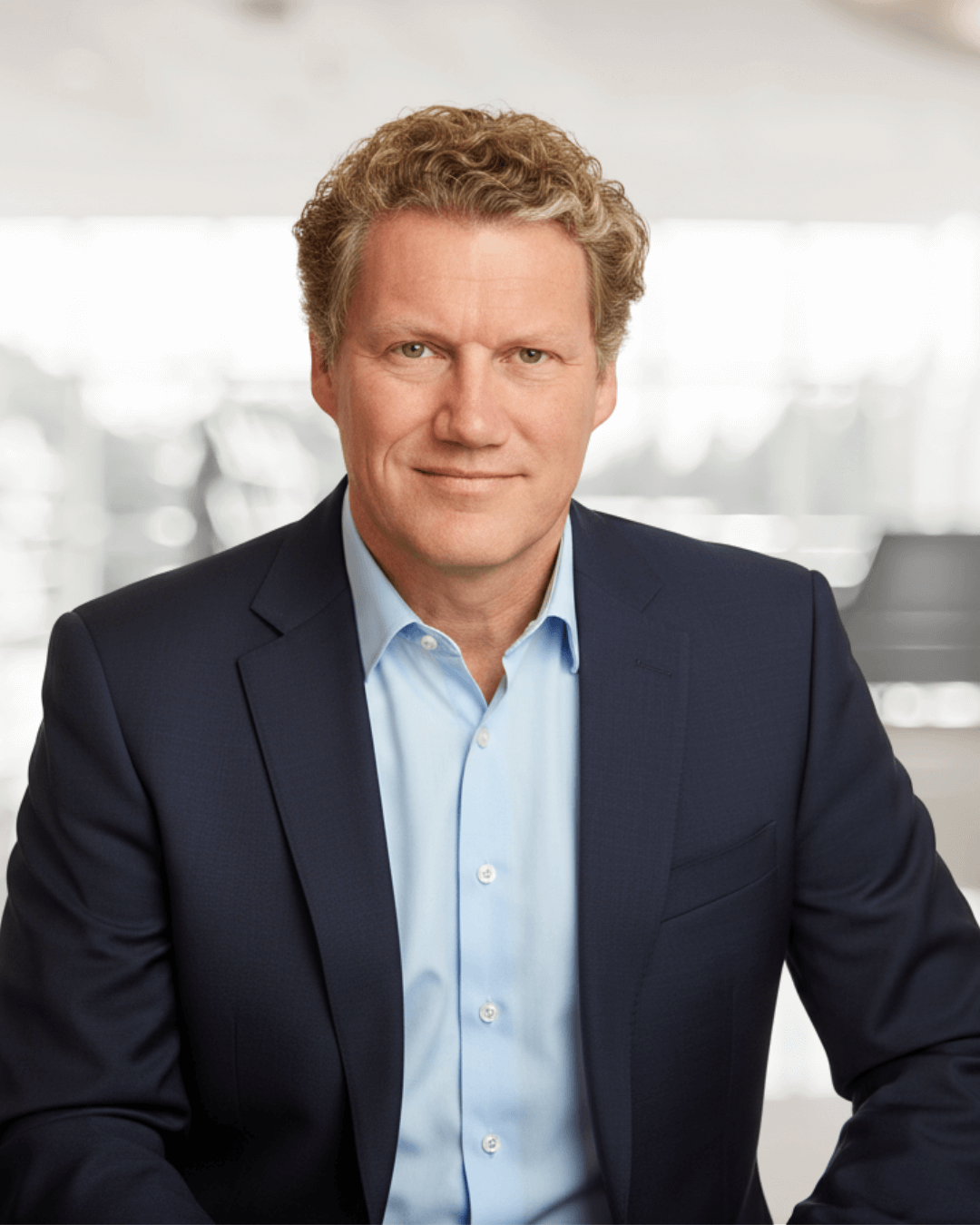
A man in a blue suit and light blue shirt, with curly blond hair, smiles softly against a blurred, bright indoor background, conveying professionalism.

Prof. Erik de Haan

Relational Coaching

Highlights & Achievements:

Professor, executive coach, and leading expert in coaching supervision. Erik is widely recognised for his contributions to relational coaching, organisational development, and reflective practice, supporting both individual coaches and leadership systems worldwide.
Elderly man in a dark suit and striped shirt smiles warmly, standing in a bright, blurred background. The tone is professional and approachable.

Prof. Peter Hawkins

The Coaching Relationships

Highlights & Achievements:

Professor of Leadership and a leading authority in systemic team coaching and coaching supervision. Peter works internationally with boards, leadership teams, and organisations, and has written extensively on leadership, coaching culture, and systemic change.
Smiling older man in glasses and a light pink shirt sits indoors, with a softly blurred background of a modern, brightly lit office space.

Prof. David Clutterbuck

Goals

Highlights & Achievements:

One of the world’s most influential figures in coaching and mentoring. Professor Clutterbuck has authored and co-authored foundational texts in coaching, mentoring, and organisational development. His work has shaped global standards for coaching practice, supervision, and mentoring relationships.
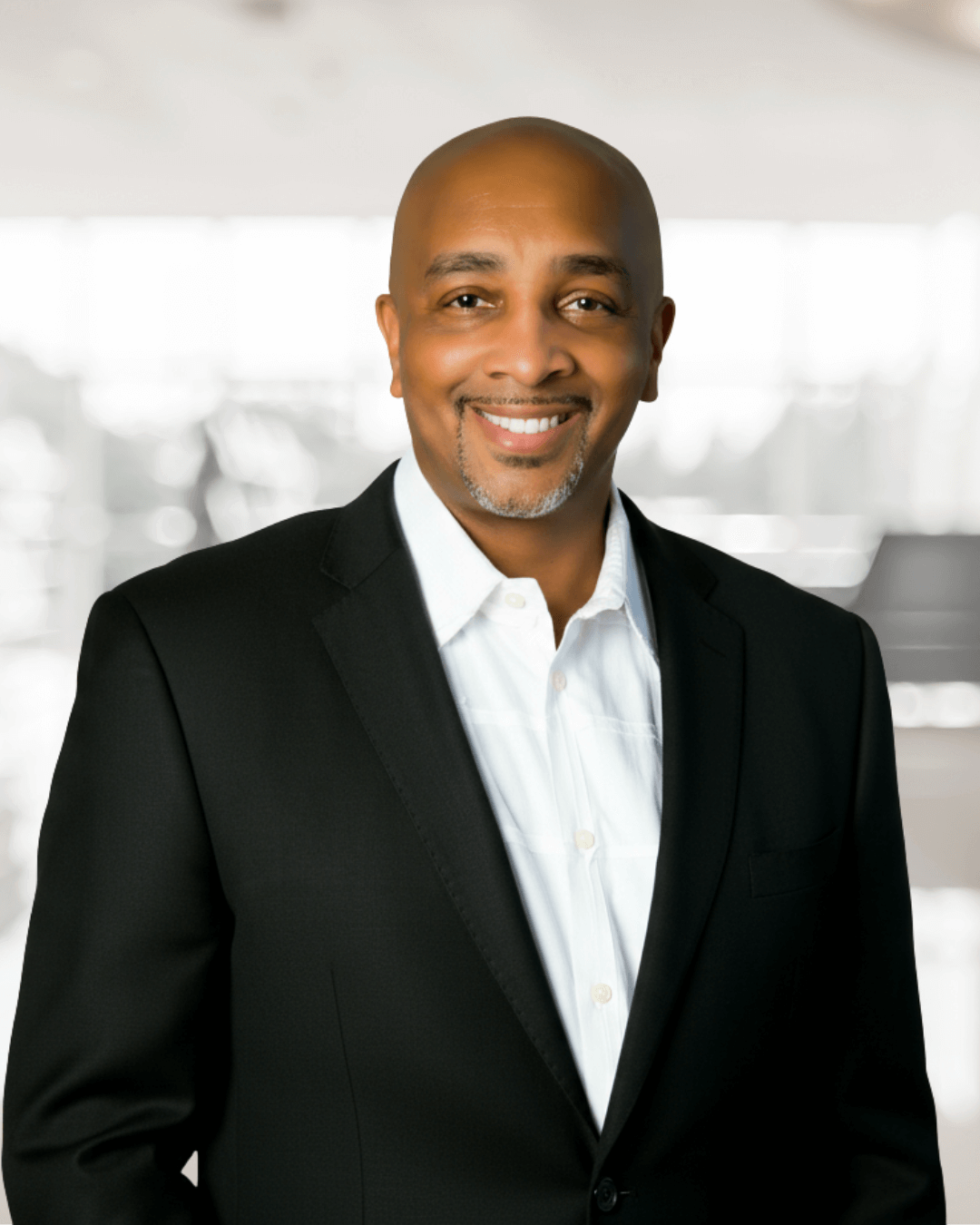
A bald man in a dark, buttoned shirt with patterned cuffs stands indoors. He smiles subtly, with a bright, blurred background, exuding a calm, confident presence.

Devon White

Communication

Highlights & Achievements:

Coach and leadership development practitioner involved in contemporary coaching education. Devon has contributed to professional coaching programmes and discussions alongside established academics and practitioners in the coaching field.
Smiling woman with short auburn hair wearing a black dress and polka dot jacket. She stands confidently in a bright, blurred office setting.

Linda Aspey

The Coaching Relationships

Highlights & Achievements:

Coach, facilitator, and contributor to professional coaching education. Linda is recognised within the coaching psychology and leadership development community for her involvement in learning programmes, events, and reflective coaching practice.
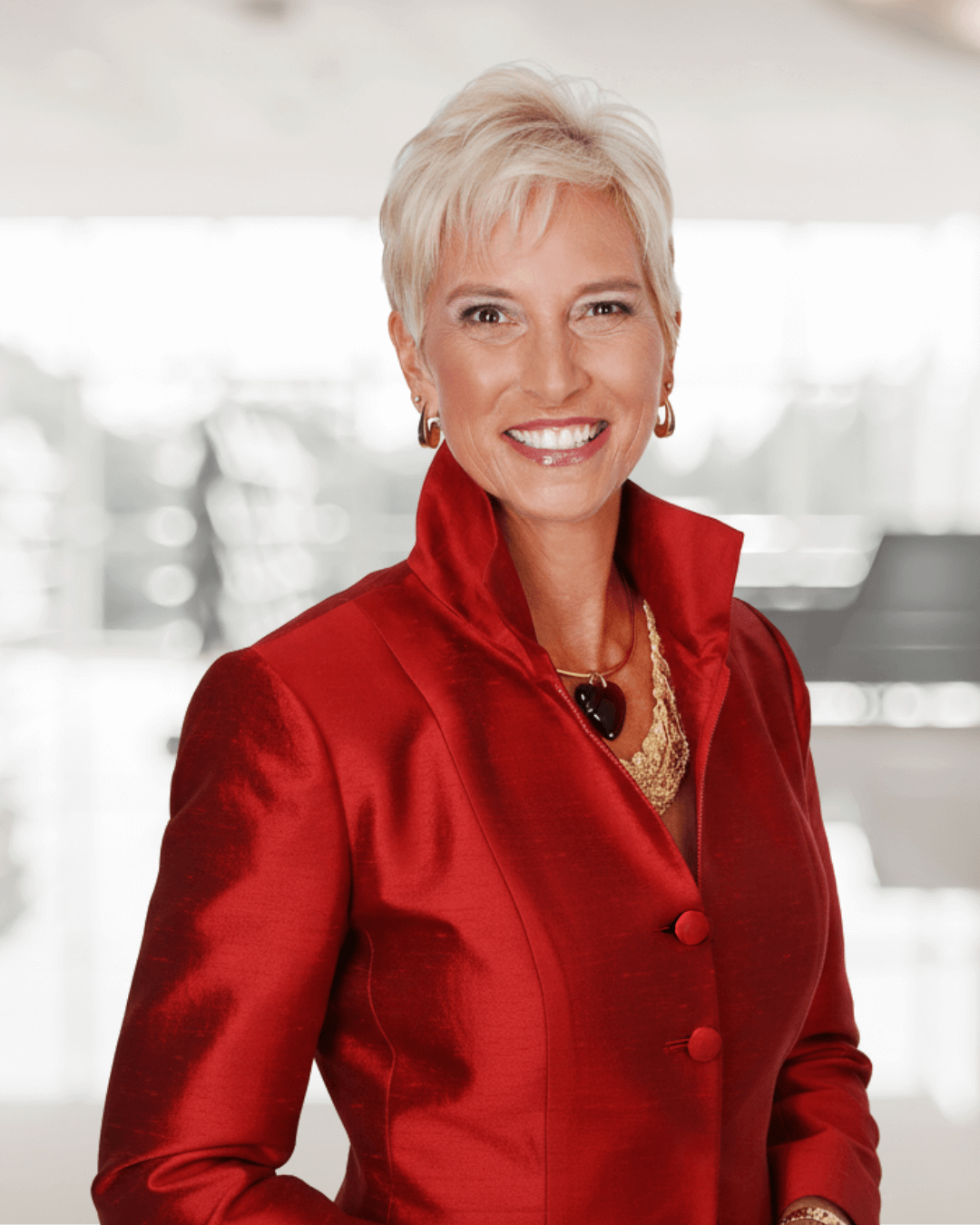
A woman with short white hair smiles confidently, wearing a red blazer with a popped collar. The background is softly blurred, creating a warm, professional ambiance.

Dr. Chérie Carter-Scott

Psychological Foundations

Highlights & Achievements:

Executive coach, author, and pioneer in the coaching profession. Often referred to as “The Mother of Coaching,” Dr. Carter-Scott has been a leading voice in personal and professional development since the 1970s. She is a bestselling author and has trained coaches and leaders worldwide in motivation, leadership, change, and self-esteem.
Smiling man in suit with colorful tie stands in bright, blurred office. Hands clasped, he exudes confidence and warmth.

Prof. Jonathan Passmore

An Introduction to Coaching

Highlights & Achievements:

Chartered Psychologist, Professor of Coaching and Behavioural Change, executive coach, and author. Jonathan has published extensively in coaching psychology, leadership, and organisational change, including numerous academic articles and books. He bridges academic research and applied practice, contributing globally to coach education and evidence-based coaching.
Smiling man in a black suit and white shirt stands against a softly blurred, bright background. The atmosphere is professional and approachable.

Dr. D. Ivan Young

The Coaching Relationships

Highlights & Achievements:

Coach, educator, and thought leader in professional and relationship-focused coaching. Dr. Young is frequently featured alongside senior coaching scholars and practitioners in advanced coaching education and professional development settings, contributing to the evolution of reflective and relational coaching practice.
Smiling woman with short red hair wearing a blue blouse and earrings, standing in a softly blurred indoor setting, conveying a warm, professional tone.

Catherine Bell

Psychological Foundations

Highlights & Achievements:

Professional Certified Coach (PCC) and Master of Applied Positive Psychology (MAPP). Catherine specializes in leadership transitions, executive presence, and sustainable performance. Her work combines positive psychology, emotional intelligence, and strategic leadership development to help leaders thrive while maintaining wellbeing and purpose.
Smiling man in a navy blazer and shirt stands confidently with hands in pockets. The backdrop is a softly blurred office environment, conveying professionalism.

Yannick Jacob

An Introduction to Coaching

Highlights & Achievements:

Existential Coach, Positive Psychologist, Coach Trainer, and Supervisor. Yannick is the Programme Lead for the Accredited Certificate in Integrative Coaching at the School of Positive Transformation. He has taught coaching, positive psychology, and personal development at institutions including the University of East London, Animas Centre for Coaching, and The School of Life. His work integrates existential philosophy, coaching psychology, and human development to support meaningful change in individuals and leaders.
women meditating programs

Highlights & Achievements: