Mustering Anger To Be Its Master

anger as a giftMustering Anger can also relate anger as the overwhelming response that is sometimes our excuse for frustration or disappointment, and you know what, an explanation for this is that anger is ACTUALLY a secondary emotion.

This article will talk about anger as an emotion and will teach meditation that could help us master our anger.

But before you continue you might like to consider our free worksheet on exploring “Escaping Self-Sabotage”. Please download this worksheet here.

Anger as an Emotion

Anger is a valid emotion. Although it has been negatively associated, anger is an affirmative reaction. It overwhelms the other emotions to protect ourselves. So when you are at a point of bursting out, hopefully, you could ask yourself, “what is it that I’m protecting myself from?”.

Always remember that anger is natural, it’s almost like a protective instinct.

“Anger’s ultimate role is to protect us and those that we care about. It tells us if there are needs that are not met, or when lives are under a threat. Anger makes us aware and pumps us to move. It stirs the needed adrenaline in us to be able to respond to a threat. It draws a line to protect your boundaries— most importantly your life.”

The best way to manage anger is first to recognize it and respect it. It is when you recognize it that you start becoming its master, it is the most important to be able to act on it.

Anger Meditation

The following is a mindful meditation training that focuses on managing anger.

Anger meditation

  1. First, find a comfortable sitting position. Close your eye and take deep breaths. Take a few longer inhales and exhales just to settle.
  2. Remember a moment that you felt angry. Try to remember a moment where you are irritated or annoyed.
  3. Recall the details of this situation. Try to remember the words said, what you were thinking at the moment, how you were wronged, or felt wronged. Endure even if you’d feel uncomfortable.
  4. Once you’re feeling irritated, stop the thoughts. After stepping away from those thoughts, observe your body, where do you feel the anger? Just keep feeling it.
  5. Look beyond the uncomfortable feelings. Other than those uncomfortable sensations what else is there. For sure there is still something neutral within you. You can try focusing on your thighs or ears, anywhere that is not uptight. Let your other senses help you find something neutral. Allow yourself to find some ease and a bit of calm.

6. Keep redirecting your thoughts to the neutrality if the anger memory intrudes.

7. Once calmer, try exploring the anger more directly again. Notice where you feel the sensations, acknowledge it, not repress it.

8. Look into the presence of other emotions. Evaluate if the anger is masking or overwhelming a different emotion.

9. Explore your anger more. Look into the things that might be looking for a resolution.

10. Look into how you could resolve this anger, how to address it. See if you can commit to taking action to address this situation.

Open your eyes when ready (if they are still closed) take a deep breath. Look around the room and orient yourself to your space.

Anger

The only way for you to become a master of your anger is to muster it and understand it.
Anger is an emotion that seeks resolution of a need, space, attention, or of a threat.
You have to listen to your anger to understand what you need, listen– so you’d know what emotion is hiding underneath.
There are other mindfulness training online that can help you practice manage your anger, remember to always look for the root of it and find a resolution for yourself.


Ready to master your anger and uncover the emotions beneath it? Download our ‘Escaping Self-Sabotage Workbook’ to guide you in transforming your emotional responses and finding peaceful resolution.

WAIT!

Before you go, we'd like to give you a FREE workbook to support your journey 👇

Smiling woman with wavy brown hair wearing a navy blazer and white shirt, standing in a softly blurred office setting, conveying positivity.

Carolyn Freyer-Jones

Kickstart Your Coaching Practice

Highlights & Achievements:

Coach, facilitator, and contributor to coaching education. Carolyn is associated with practical coaching training and learning resources, supporting coaches and leaders in developing effective, ethical, and reflective coaching practices.
Man in a light blue shirt smiles gently at the camera. He has short, dark hair and stands against a blurred indoor backdrop, conveying warmth and approachability.

Rob Willson

Cognitive Behavioral Coaching

Highlights & Achievements:

Coach and educator contributing to leadership and coaching skills development. Rob is involved in professional training contexts, supporting the application of coaching tools and methodologies in organisational settings.
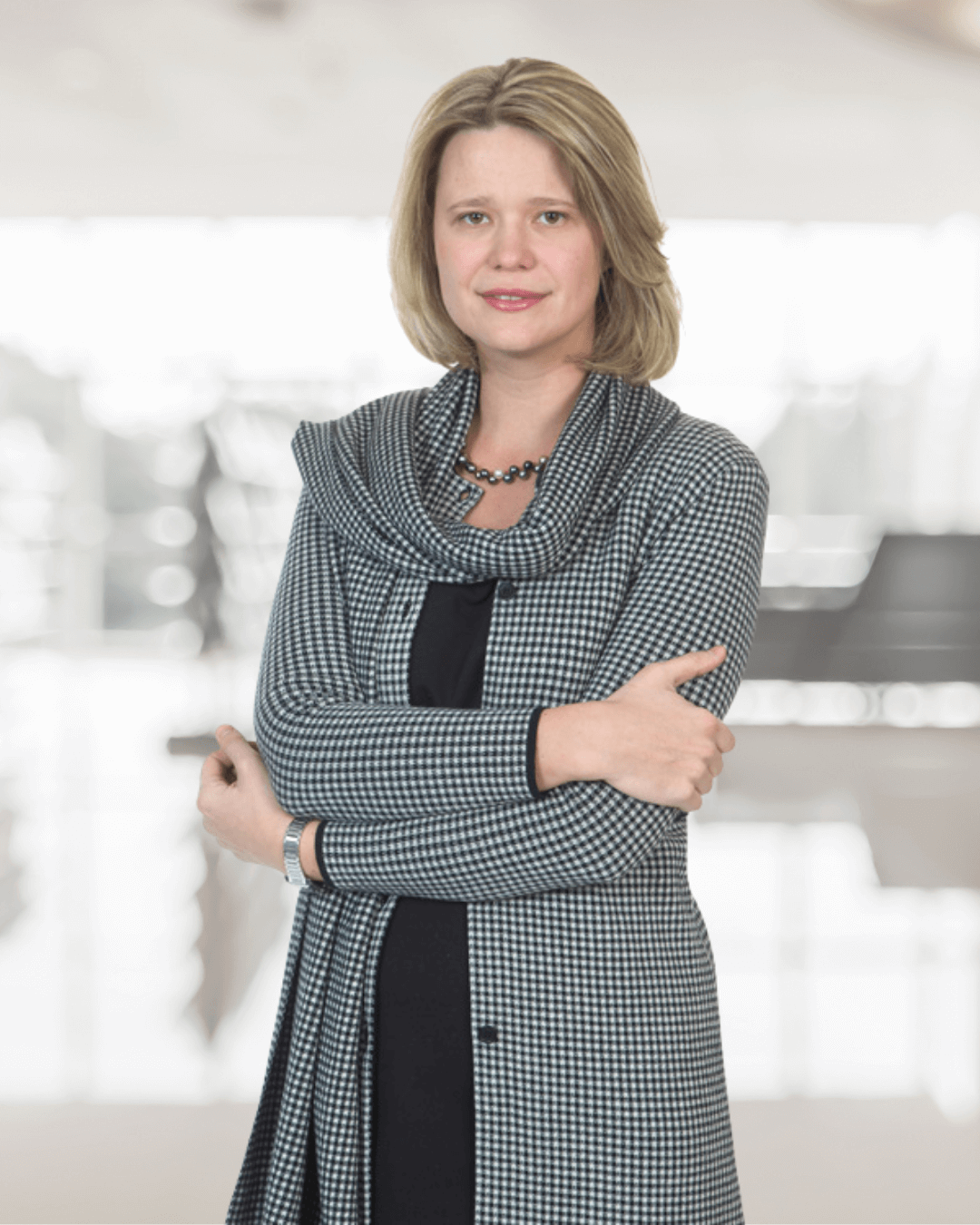
A woman with shoulder-length blonde hair is confidently posing with crossed arms. She wears a black and white checkered outfit and a necklace. The background is softly blurred, suggesting an indoor setting.

Prof. Ilona Boniwell

Positive Psychology Coaching

Highlights & Achievements:

Professor of Positive Psychology and Coaching Psychology. Ilona is a pioneer of applied positive psychology education in Europe and has founded and led postgraduate programmes in the field. Her work focuses on wellbeing, resilience, strengths, and evidence-based positive psychology interventions.
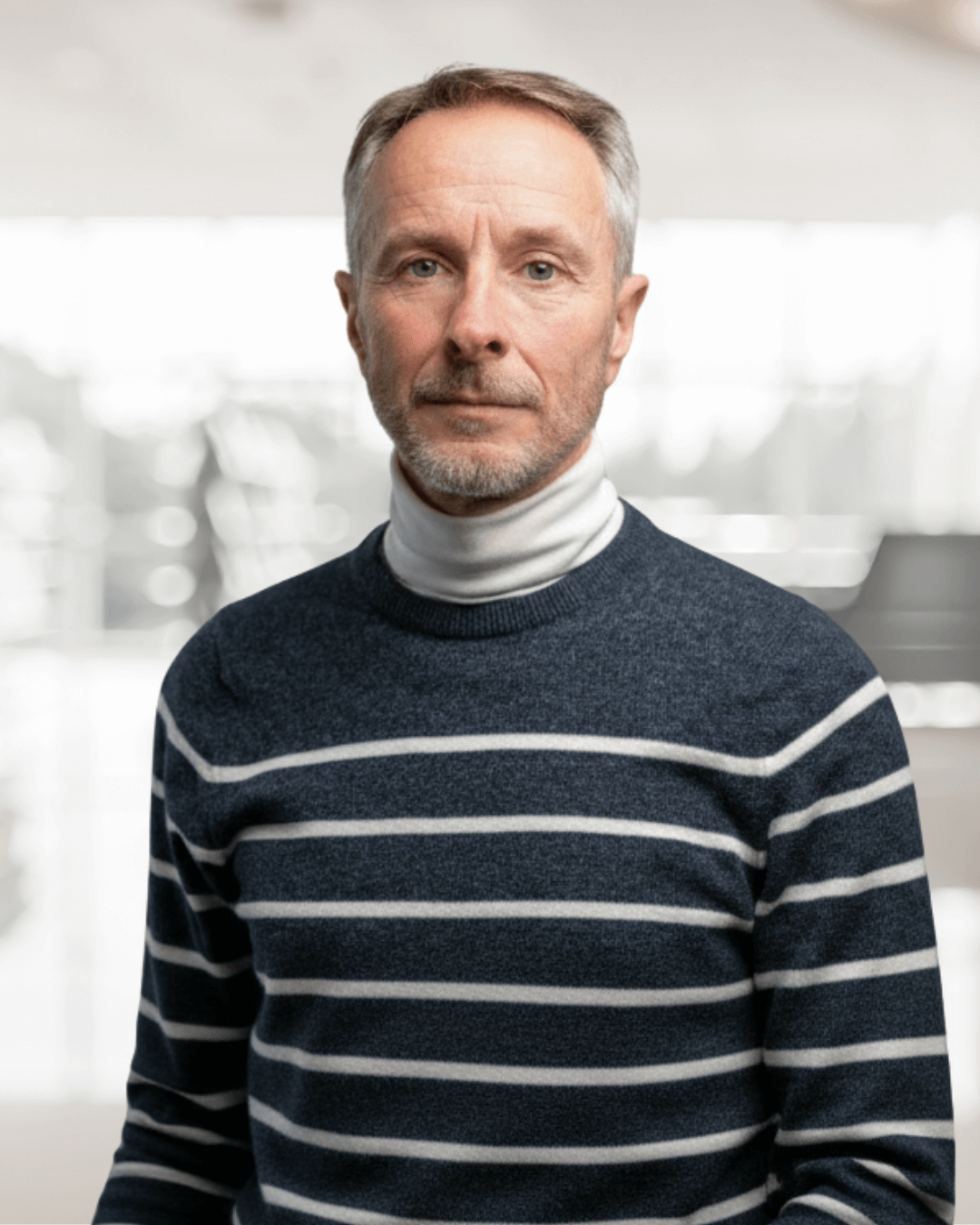
A middle-aged man with short gray hair and a beard wears a white turtleneck and a navy blue striped sweater, standing confidently indoors.

Jon Williams

Coaching for Performance

Highlights & Achievements:

Coach and contributor to professional coaching education and training programmes. Jon is involved in leadership and coaching development initiatives, supporting skill-building and reflective practice within organisational and coaching contexts.
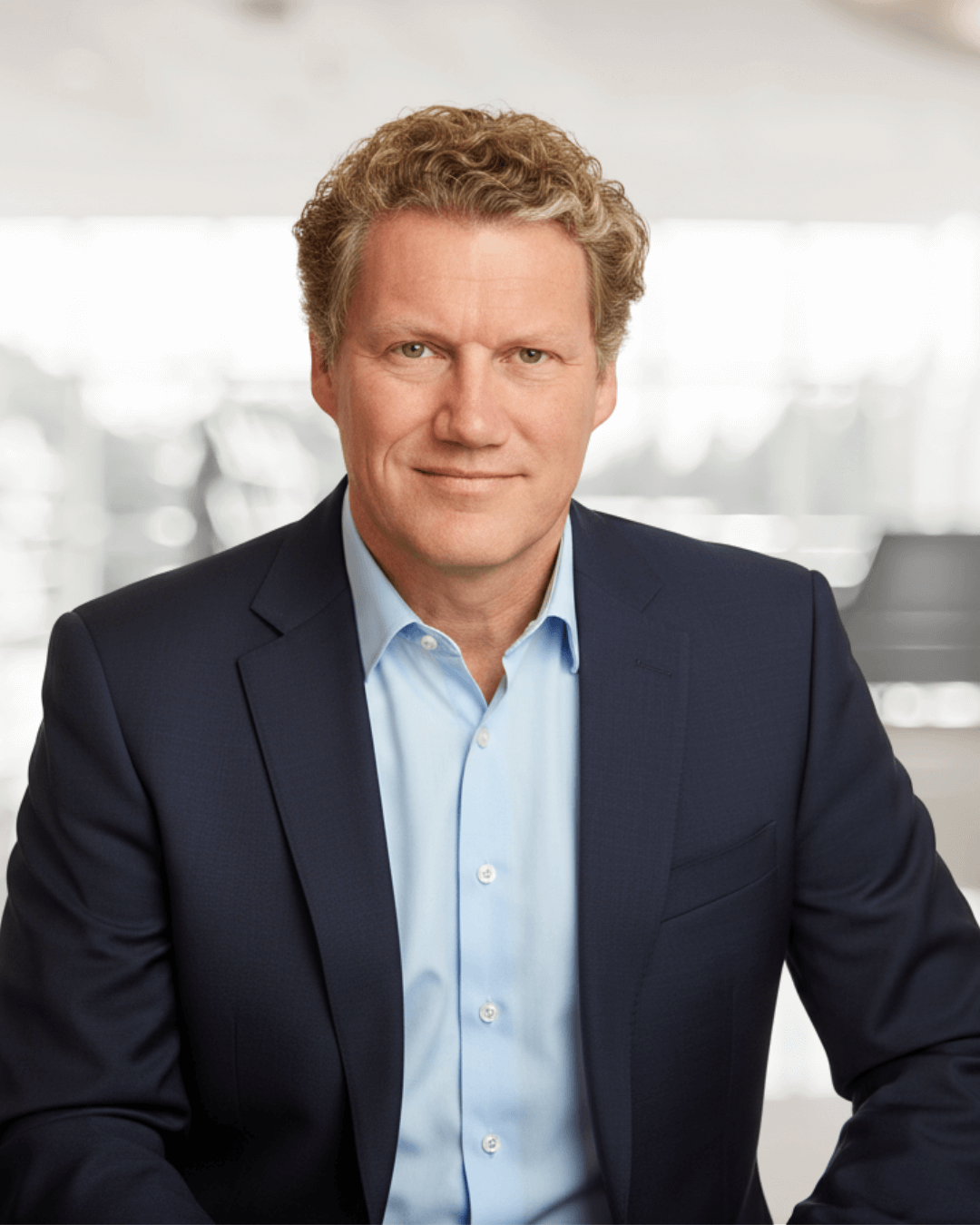
A man in a blue suit and light blue shirt, with curly blond hair, smiles softly against a blurred, bright indoor background, conveying professionalism.

Prof. Erik de Haan

Relational Coaching

Highlights & Achievements:

Professor, executive coach, and leading expert in coaching supervision. Erik is widely recognised for his contributions to relational coaching, organisational development, and reflective practice, supporting both individual coaches and leadership systems worldwide.
Elderly man in a dark suit and striped shirt smiles warmly, standing in a bright, blurred background. The tone is professional and approachable.

Prof. Peter Hawkins

The Coaching Relationships

Highlights & Achievements:

Professor of Leadership and a leading authority in systemic team coaching and coaching supervision. Peter works internationally with boards, leadership teams, and organisations, and has written extensively on leadership, coaching culture, and systemic change.
Smiling older man in glasses and a light pink shirt sits indoors, with a softly blurred background of a modern, brightly lit office space.

Prof. David Clutterbuck

Goals

Highlights & Achievements:

One of the world’s most influential figures in coaching and mentoring. Professor Clutterbuck has authored and co-authored foundational texts in coaching, mentoring, and organisational development. His work has shaped global standards for coaching practice, supervision, and mentoring relationships.
A bald man in a dark, buttoned shirt with patterned cuffs stands indoors. He smiles subtly, with a bright, blurred background, exuding a calm, confident presence.

Devon White

Communication

Highlights & Achievements:

Coach and leadership development practitioner involved in contemporary coaching education. Devon has contributed to professional coaching programmes and discussions alongside established academics and practitioners in the coaching field.
Smiling woman with short auburn hair wearing a black dress and polka dot jacket. She stands confidently in a bright, blurred office setting.

Linda Aspey

The Coaching Relationships

Highlights & Achievements:

Coach, facilitator, and contributor to professional coaching education. Linda is recognised within the coaching psychology and leadership development community for her involvement in learning programmes, events, and reflective coaching practice.
A woman with short white hair smiles confidently, wearing a red blazer with a popped collar. The background is softly blurred, creating a warm, professional ambiance.

Dr. Chérie Carter-Scott

Psychological Foundations

Highlights & Achievements:

Executive coach, author, and pioneer in the coaching profession. Often referred to as “The Mother of Coaching,” Dr. Carter-Scott has been a leading voice in personal and professional development since the 1970s. She is a bestselling author and has trained coaches and leaders worldwide in motivation, leadership, change, and self-esteem.
Smiling man in suit with colorful tie stands in bright, blurred office. Hands clasped, he exudes confidence and warmth.

Prof. Jonathan Passmore

An Introduction to Coaching

Highlights & Achievements:

Chartered Psychologist, Professor of Coaching and Behavioural Change, executive coach, and author. Jonathan has published extensively in coaching psychology, leadership, and organisational change, including numerous academic articles and books. He bridges academic research and applied practice, contributing globally to coach education and evidence-based coaching.
Smiling man in a black suit and white shirt stands against a softly blurred, bright background. The atmosphere is professional and approachable.

Dr. D. Ivan Young

The Coaching Relationships

Highlights & Achievements:

Coach, educator, and thought leader in professional and relationship-focused coaching. Dr. Young is frequently featured alongside senior coaching scholars and practitioners in advanced coaching education and professional development settings, contributing to the evolution of reflective and relational coaching practice.
Smiling woman with short red hair wearing a blue blouse and earrings, standing in a softly blurred indoor setting, conveying a warm, professional tone.

Catherine Bell

Psychological Foundations

Highlights & Achievements:

Professional Certified Coach (PCC) and Master of Applied Positive Psychology (MAPP). Catherine specializes in leadership transitions, executive presence, and sustainable performance. Her work combines positive psychology, emotional intelligence, and strategic leadership development to help leaders thrive while maintaining wellbeing and purpose.
Smiling man in a navy blazer and shirt stands confidently with hands in pockets. The backdrop is a softly blurred office environment, conveying professionalism.

Yannick Jacob

An Introduction to Coaching

Highlights & Achievements:

Existential Coach, Positive Psychologist, Coach Trainer, and Supervisor. Yannick is the Programme Lead for the Accredited Certificate in Integrative Coaching at the School of Positive Transformation. He has taught coaching, positive psychology, and personal development at institutions including the University of East London, Animas Centre for Coaching, and The School of Life. His work integrates existential philosophy, coaching psychology, and human development to support meaningful change in individuals and leaders.
Mustering Anger To Be Its Master

Highlights & Achievements: