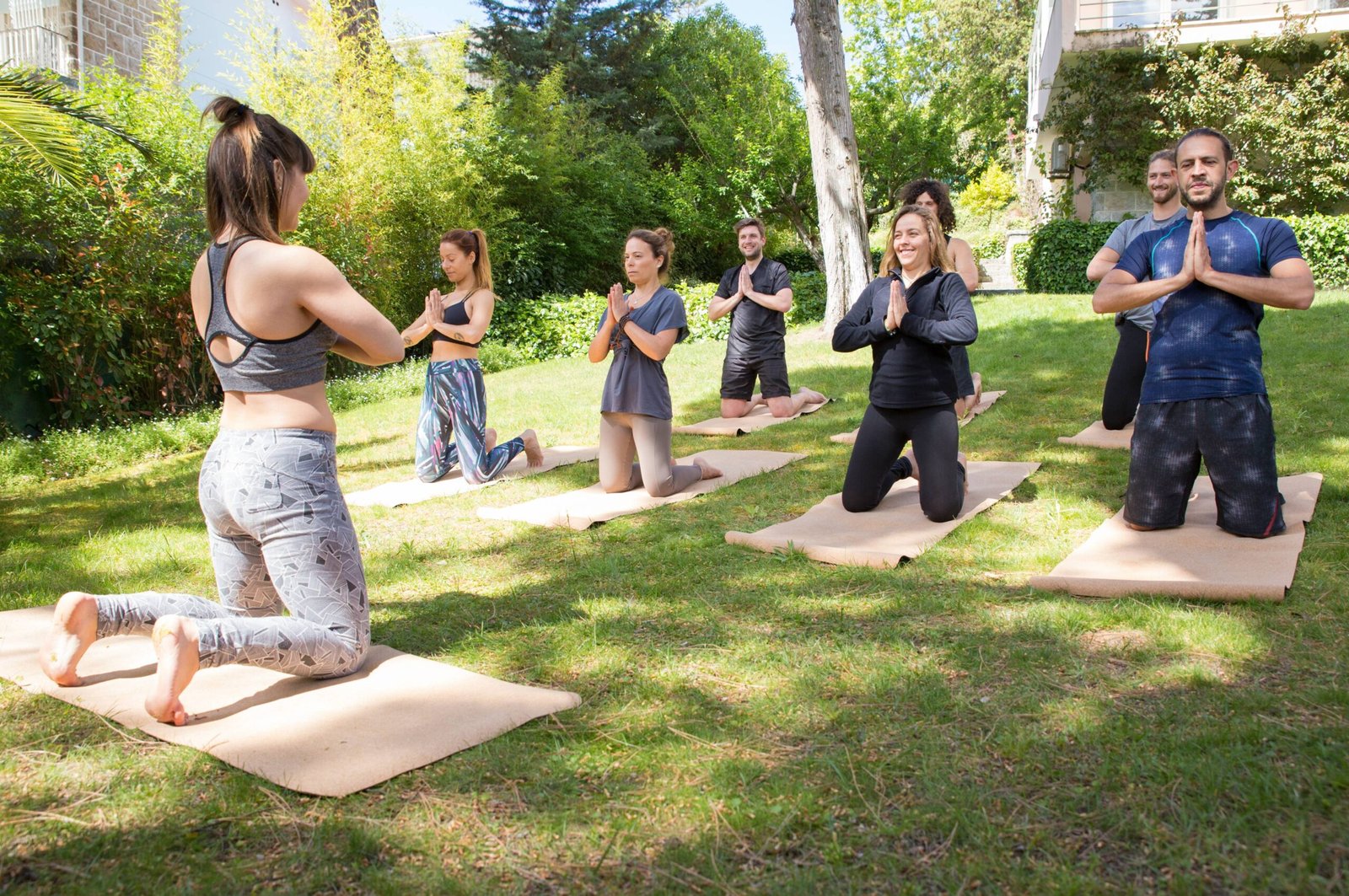
In today’s world, where stress, disconnection, and emotional overwhelm are increasingly common, Mindfulness Teacher Training has become more than a personal development journey—it’s a professional and compassionate practice that nurtures empathy and emotional intelligence.
Whether you are a therapist, coach, counselor, or someone supporting others in their personal growth, cultivating these two core qualities can dramatically improve how you relate, listen, and respond.
Through structured mindfulness teacher training, you not only deepen your awareness but also learn to create safe, empathetic spaces where transformation naturally unfolds.
What Is Mindfulness Teacher Training?
Before diving into how it enhances empathy and emotional intelligence, let’s clarify what mindfulness teacher training involves.
Mindfulness Teacher Training equips individuals with the knowledge, techniques, and experience to teach mindfulness practices effectively. It combines personal mindfulness practice with scientific understanding, ethical guidance, and teaching methodology.
Participants learn how to:
- Develop consistent mindfulness habits
- Facilitate guided meditations and mindful dialogues
- Understand the psychology behind emotions and perception
- Support clients or students in cultivating inner calm and self-awareness
If you’re interested in a comprehensive program, explore our Meditation and Mindfulness Teacher Training designed for teachers, therapists, and wellness professionals.
Why Empathy and Emotional Intelligence Matter in Helping Professions
Empathy and emotional intelligence are the heart of human connection—and they’re especially crucial for therapists, coaches, and counselors.
Empathy in Therapy
Empathy allows you to feel and understand another person’s experience without judgment. It creates trust and safety, both essential for healing and growth.
Emotional Intelligence (EI)
Emotional intelligence is the ability to recognize, understand, and manage emotions—both your own and others’.
High EI helps you stay centered, communicate clearly, and guide clients with sensitivity.
In short:
| Skill | What It Means | Why It Matters |
|---|---|---|
| Empathy | Sensing others’ emotions and perspectives | Builds connection and trust |
| Self-awareness | Recognizing your feelings and reactions | Prevents projection and burnout |
| Self-regulation | Managing emotions wisely | Encourages calm presence |
| Social skills | Communicating effectively | Fosters collaboration and openness |
| Motivation | Staying purpose-driven | Sustains compassion and focus |
How Mindfulness Teacher Training Develops Empathy
Mindfulness and empathy are deeply intertwined. When you practice mindfulness, you train your mind to pay attention—to yourself, others, and the present moment—with kindness and curiosity.
Here’s how mindfulness teacher training enhances empathy step by step:
1. Cultivating Present-Moment Awareness
Through meditation and mindful breathing, trainees learn to quiet mental noise and focus on what’s happening now.
This presence helps you truly listen—not just to words but to tone, energy, and emotion.
2. Reducing Emotional Reactivity
Mindfulness builds emotional regulation. Instead of reacting impulsively, you learn to pause and observe.
This allows for empathetic responses rather than defensive or judgmental reactions.
3. Recognizing Shared Humanity
As you develop mindfulness, you begin to see that everyone experiences suffering and joy.
This insight naturally softens harshness and deepens compassion.
4. Enhancing Non-Verbal Sensitivity
In training, participants practice awareness of subtle cues—body language, facial expressions, and shifts in energy.
This strengthens your empathic attunement, crucial in therapy and coaching.
5. Encouraging Self-Compassion
Empathy begins with self-compassion.
By learning to be gentle with yourself, you expand your capacity to hold space for others without burnout.
“Mindfulness doesn’t make you more emotional—it makes you more aware of emotions, both yours and others’.”
How Mindfulness Teacher Training Builds Emotional Intelligence
Mindfulness practice is one of the most effective ways to boost emotional intelligence—something emotional intelligence experts like Daniel Goleman have long emphasized.
Here’s how training supports the key pillars of EI:
1. Self-Awareness
Mindfulness helps you observe your internal states—thoughts, sensations, emotions—without judgment.
With repeated practice, you begin recognizing triggers, patterns, and habitual reactions.
2. Self-Regulation
By developing calm awareness, you can navigate difficult emotions with equanimity.
Mindfulness techniques such as body scanning or focused breathing keep you grounded during stress.
3. Motivation
Mindfulness training reconnects you with purpose and clarity.
You learn to respond to challenges with resilience and patience instead of frustration.
4. Empathy
As mentioned earlier, mindfulness sharpens your ability to perceive others’ emotions accurately and compassionately.
This leads to deeper relationships and more impactful support sessions.
5. Social Skills
Mindfulness improves communication. You learn to listen more and speak with intention—qualities that make interactions more genuine and effective.
Real-Life Benefits: Mindfulness for Therapists and Coaches
Integrating mindfulness into professional practice has numerous benefits. For therapists, counselors, and coaches, these include:
1. Greater Presence in Sessions
Mindfulness training enhances your ability to stay fully present with clients, even during emotionally intense sessions.
2. Improved Active Listening
Mindful listening allows you to hear beyond words—to understand tone, silence, and what remains unspoken.
3. Reduced Burnout and Compassion Fatigue
Regular mindfulness practice supports self-care. You become less emotionally drained because you observe emotions instead of absorbing them.
4. Enhanced Intuition and Insight
Being more aware of emotional undercurrents helps you guide clients toward breakthroughs naturally.
🕊️ 5. Strengthened Client Trust
Clients feel more comfortable and supported when you are present, calm, and genuinely connected.
Mindfulness Teacher Training: What You’ll Learn
During Mindfulness Teacher Training, you’ll go through a structured learning path that includes both personal practice and teaching skills.
| Module | Focus | Outcome |
|---|---|---|
| Mindfulness Foundations | Understanding awareness and attention | Strengthened focus and clarity |
| Guided Practices | Learning meditations and mindful exercises | Confidence in leading sessions |
| Applied Mindfulness | Integrating mindfulness into relationships and communication | Improved empathy and emotional regulation |
| Ethics and Compassionate Teaching | Understanding boundaries, integrity, and care | Professional and ethical awareness |
| Self-Reflection and Journaling | Personal insights and progress tracking | Deeper emotional intelligence |
For a deeper understanding of mindfulness principles, visit our Mindfulness Wellbeing Program.
The Science Behind Mindfulness, Empathy, and Emotional Intelligence
Recent neuroscience studies show that mindfulness changes brain structures associated with emotional awareness and empathy.
According to research published in Frontiers in Human Neuroscience, regular mindfulness practice:
- Increases activity in the insula and anterior cingulate cortex (linked to empathy and compassion).
- Strengthens the prefrontal cortex, enhancing emotional control.
- Decreases amygdala reactivity, reducing stress and emotional impulsivity.
External Source: Harvard Health Publishing – Mindfulness meditation may ease anxiety, mental stress
Quick Checklist: Signs Your Mindfulness Training Is Enhancing Emotional Intelligence
Use this checklist to track your growth during mindfulness teacher training:
| Self-Reflection Question | Yes/No |
|---|---|
| Do I notice emotions sooner and respond more calmly? | ☐ |
| Do I feel more understanding toward others’ struggles? | ☐ |
| Am I able to pause before reacting to stress? | ☐ |
| Have I become more patient with myself and others? | ☐ |
| Do my sessions feel more connected and supportive? | ☐ |
If most answers are yes, your emotional intelligence is flourishing!
Applying Mindfulness in Daily Professional Life
Here are simple ways to integrate mindfulness into your work routine:
- Begin each session with a one-minute grounding breath.
- Practice mindful listening—focus entirely on the client’s words without preparing your reply.
- Take short mindful breaks between clients to reset your energy.
- Keep a reflection journal to process emotions and maintain awareness.
- End your day with gratitude or loving-kindness meditation.
These small shifts, practiced daily, have a profound cumulative effect on your empathy and emotional balance.
Final Thoughts
Empathy and emotional intelligence are not fixed traits—they can be cultivated through mindfulness.
Mindfulness Teacher Training offers a proven path for developing these essential skills, allowing you to connect more deeply with clients, guide with compassion, and stay grounded amid challenges.
Whether you’re a therapist, coach, or someone passionate about human growth, mindfulness training empowers you to transform both yourself and others.
If you’re ready to take this next step, explore our Mindfulness and Meditation Teacher Training Program and experience the difference mindful awareness can make in your practice and life.
👉 Contact the School of Positive Transformation today to learn more or enroll in our next teacher training program.