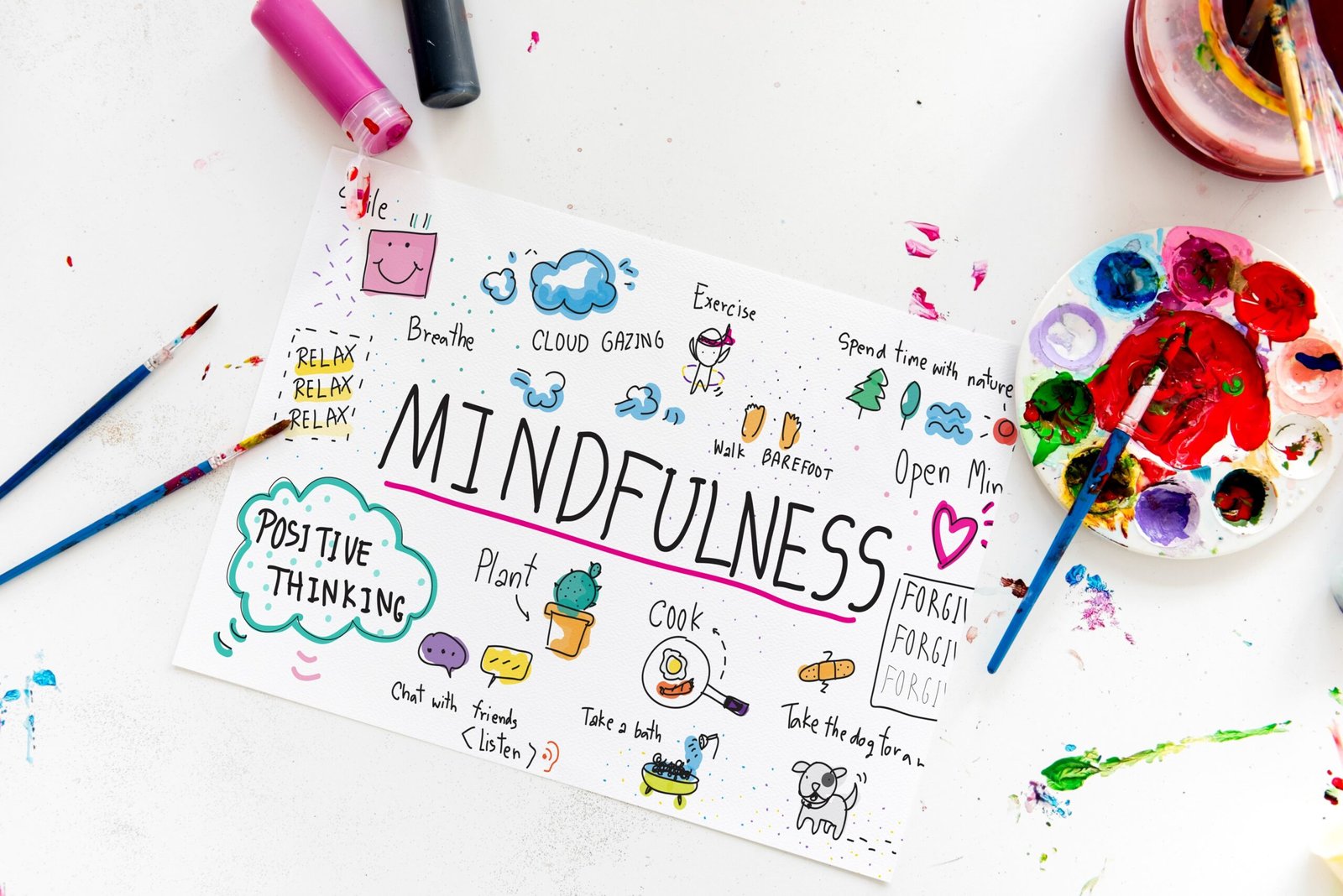
In today’s fast-paced world, finding balance and clarity is more important than ever. Mindfulness in Personal Development has emerged as a vital tool for achieving emotional balance, managing stress, and enhancing overall well-being. While mindfulness benefits clients directly, meditation and mindfulness teacher training profoundly transforms the life of the practitioner as well.
Whether you are seeking professional growth, personal transformation, or the ability to help others, training in meditation can provide a pathway toward a more mindful, fulfilling life. If you are curious about how to start, our Mindfulness Wellbeing Program offers practical guidance for beginners and experienced practitioners alike.
Understanding Mindfulness and Its Role in Personal Development
Mindfulness is the practice of paying attention to the present moment with openness and without judgment. When applied to personal development, mindfulness allows you to:
- Increase self-awareness
- Improve emotional intelligence
- Reduce stress and anxiety
- Make thoughtful decisions
- Enhance interpersonal relationships
Practicing mindfulness regularly trains the mind to respond thoughtfully rather than react impulsively. This foundational skill in personal development empowers individuals to navigate both personal and professional challenges with greater resilience and clarity. To explore a more structured path, consider enrolling in Meditation and Mindfulness Teacher Training that can guide you through deeper learning and practice.
How Meditation Teacher Training Benefits Practitioners
Enrolling in a meditation teacher certification program is not only about guiding others; it is an inward journey. Practitioners experience multiple personal transformations, including:
1. Enhanced Self-Awareness
Mindfulness teacher training encourages deep reflection and conscious living. You learn to:
- Recognize habitual thought patterns
- Observe emotions without judgment
- Understand triggers that influence behavior
These insights allow for more deliberate choices in daily life, leading to significant personal growth. Programs like Meditation and Mindfulness Teacher Training provide structured exercises to develop these skills effectively.
2. Emotional Intelligence Development
Teacher training develops empathy, active listening skills, and emotional regulation. Practitioners often notice improved relationships at home and work because they can:
- Respond rather than react during conflicts
- Communicate clearly and compassionately
- Support others with understanding and patience
3. Effective Stress Management
Stress is a natural part of life, but mindfulness practices equip teachers with tools to handle it better. Techniques learned in certification programs include:
- Focused breathing
- Body scan meditations
- Guided visualization exercises
These strategies allow practitioners to maintain calm under pressure and prevent burnout. Daily practice through our Mindfulness Wellbeing Program reinforces these stress management techniques.
4. Personal Growth and Fulfillment
Becoming a meditation teacher opens avenues for self-improvement, career satisfaction, and life purpose alignment. Many find:
- Greater clarity on personal goals
- Increased motivation to live authentically
- A deeper sense of connection with self and others
The Professional Advantages of Meditation Teacher Certification
Completing a certified meditation training program has tangible professional benefits:
| Advantage | Description |
|---|---|
| Credibility | Certification demonstrates your expertise and commitment to mindfulness practices |
| Career Opportunities | Offer online or in-person meditation classes, corporate mindfulness programs, or private coaching |
| Client Trust | Certification builds confidence for clients seeking guidance |
| Skill Mastery | Gain advanced meditation techniques and teaching methodologies |
With online training options, it is easier than ever to pursue certification while balancing work or personal responsibilities. Explore more about Meditation and Mindfulness Teacher Training to find flexible online courses.
How Mindfulness Practices Transform Your Life
The core of teacher training lies in applying mindfulness to your own life. Benefits include:
- Improved Focus: Training the mind to concentrate enhances productivity and reduces mental clutter.
- Better Emotional Regulation: Learning to observe emotions prevents impulsive reactions.
- Health Benefits: Regular mindfulness practice can reduce blood pressure, improve sleep, and boost immune function.
- Resilience: Mindful individuals adapt better to change and challenges.
By integrating these practices, you experience personal development that is both practical and life-enhancing. For ongoing support in building a daily practice, our Mindfulness Wellbeing Program provides structured exercises and community engagement.
Non-Competitor External Link:
- Learn more about the science behind mindfulness
Steps to Begin Your Journey
Here’s a simple checklist for starting your path in Mindfulness in Personal Development through meditation teacher training:
- Research certified online programs
- Assess course content, schedule, and certification credibility
- Begin a daily meditation practice
- Attend live sessions or workshops
- Apply learned techniques to personal and professional life
- Join a community of like-minded practitioners
For beginners and advanced learners, the Meditation and Mindfulness Teacher Training offers structured guidance to follow this checklist effectively.
Common Questions About Meditation and Mindfulness Teacher Training
Q: Do I need prior experience in meditation?
A: No, most programs are designed for beginners and advanced practitioners alike.
Q: How long does certification take?
A: Online courses can range from a few weeks to several months, depending on depth and hours.
Q: Can I teach professionally after certification?
A: Yes, certification equips you with skills to lead classes, coach clients, or conduct workshops. For a detailed program overview, visit Meditation and Mindfulness Teacher Training.
Conclusion
Mindfulness in Personal Development is not only about helping others, it fundamentally changes the life of the practitioner. Meditation teacher training enhances self-awareness, emotional intelligence, and stress management skills, fostering profound personal growth and professional satisfaction.
If you are ready to transform your life and help others do the same, start your journey today. Explore the opportunities at the School of Positive Transformation and contact us to begin your training.