Life in All HAPP’s

There is something to be said about living a joyful life in all. Despite the possibilities for us all to live a good life, there is also a lot of psychological and sociological evidence—which does not even need to be cited, as it is that obvious—that a large proportion of people do not live happy lives. Truly, it is too sad. It is too bad.

But before you continue you might like to consider our free worksheet on exploring “Finding Joy In Life”. Please download this worksheet here.

Mental illness is on the rise in America. More and more people are increasingly miserable. I have gone through phases too, where my life was less than ideal. I admit that is a very hard thing to transcend, without taking certain actions to overcome it. It’s worth the try though! It’s easy to look at the endless causes, but keep a note that a lack of initiative to over-come can also be to blame.

In American society, people are wrapped up in jobs that they don’t like, dysfunctional families are the new norm, kids get cyberbullied and/or bullied in school, mass shootings make the news regularly, mass incarceration is the result of crime fueled by addictions and poverty, and debt issues too. People are stressed about the political atmosphere and things like global warming, and others remain skeptics about the environment and other world issues. As a result, there is tension between two sides—as a fact war, and therefore a cultural one.

America is divided. So divided. People do not trust politicians, but they feel powerless to do anything about it. Processed food dominates the culture. Materialism takes up too much of culture. Entertainment has replaced spirituality. The list goes on and on. It is like a sweater unraveling while you are wearing it. It is only a bad thing if you chose to not change into something new, as a new state of mind of practicing acceptance and/or transcendence.

Life on the Map

“What is the meaning of life?” That big question is the idea that everyone has pondered. It is a philosophical inquiry that has throughout history been a focal point of philosophy. It even encompasses questions like, “Who am I?” That is the other question: trying to figure out your place in the world. Without that, people live without meaning, and therefore lack a sense of purpose.

Without a purpose, people fall into depression and defeat. While combining those two questions, many people have lost track of meaning in their lives. However, existential inquiries do bring us to good conclusions and purpose, if sought out.

The search for meaning is different for everyone. Some people may not even search at all. For those of us that want more meaning, the search is not structured in a way that is the same for everyone. The point is that if you do not search, you will never find it. If you do not face yourself, you can never become yourself. If you do not admit fault, you can never find the truth, or be in the right state of mind.

To find your place in the world, you must first figure out where you stand. We all exist as dots on a map. The “You are Here” placement gives us perspective. That is where being present comes in. To be aware means to know where you stand. Even if you cannot change your metaphorical location, you can change the way that you perceive it. The only way out of our suffering is in, going inward to change the external perception of the things that bother us, like resentments and/or a lack of gratitude.

Happiness does not mean needing more things, potentially re-locating, or changing something drastic – which are the common presumptions. Peace is not a destination. It is a state of mind. The more gratitude you have for the things that you do have is the key to experiencing peace. If instead “You are fear” or “You are (too much) beer,” try to find “You are here,” as that is the key to finding clarity in your life, not to mention accuracy.

Life in All HAPP’s

Your state of mind is your fate of mind. When you look through the lens of a powerless, suffering soul, that will determine the course of your life. To transcend suffering is like transcending poverty. With that being said, people must put mindfulness points in their spiritual bank. Every mindful breath adds up to a better life, and therefore a better future, one breath at a time.

Your life does not have to be in lapse. Why not make it all HAPP’s? The capital letters represent a more enthusiastic, passionate life. Happiness is an emotion that does not require a bigger bank account, as the common misconception – It requires enthusiasm for what life has to offer.

For me, I used to deal with unbearable boredom for a couple of years. What I ended up doing was a Dialectical Behavior Program (DBT), which brought me back to mindfulness, like I used to practice before certain traumas. Every day, I would make a diary card of my emotions, therefore practicing reflective mindfulness, along with the required homework. I did the work, I did the therapy, and what I found is that life is absolutely, unquestionably an amazing journey to live – if I chose to live it.

My life now is lived in all HAPP’s, a life lived with big dreams and big purpose. I am unquestionably grateful, thanks to the help of gratitude lists, which I also recommend. I’ve also taken tests to give me a better understanding of where I stand. Two tests have scored me as being the most spiritual, which my energy projects out into the world for others to experience and compliment me on.

My eyes for an aesthetic appeal also changed, shifting into a great appreciation for the beauty that I witnessed all around me. Now, I treat life like those around me are walking the catwalk, while constantly throwing out compliments, when before I treated it like it was an American “fat walk,” chronically frustrated with the part of American culture that does not offer that modern artistic and/or health-center appeal that I value. Now I do not let those superficial things bother me as much, practicing acceptance for what it is. I may not be perfect, but I believe in progress before perfection.

I used to focus on the negative, with a lot of contempt during that couple-year phase. I may not be a conformist, but what I found is that I am very consciously passionate about the world. That is because I returned to mindfulness, which is my greatest passion. Humor, incorporated with mindfulness, is one of my strongest attributes now. Life is a stand-up – and I owe that to my mindful-ish pursuit of being present for when life calls.

Unlike a bad secretary that puts you on hold, life in all is always on the other line, waiting for you to make the first move. It’s YOU that should not ignore it. Do not put it on hold! Pick up that call and voice your dreams to pursue a life that is more-true, not more-blue. Hopefully just more YOU!


If you’re ready to shift your mindset and start living a more joyful and purpose-driven life, download our free ‘Finding Joy In Life Workbook’ and take the first step toward living life in all HAPP’s today.


WAIT!

Before you go, we'd like to give you a FREE workbook to support your journey 👇

Smiling woman with wavy brown hair wearing a navy blazer and white shirt, standing in a softly blurred office setting, conveying positivity.

Carolyn Freyer-Jones

Kickstart Your Coaching Practice

Highlights & Achievements:

Coach, facilitator, and contributor to coaching education. Carolyn is associated with practical coaching training and learning resources, supporting coaches and leaders in developing effective, ethical, and reflective coaching practices.
Man in a light blue shirt smiles gently at the camera. He has short, dark hair and stands against a blurred indoor backdrop, conveying warmth and approachability.

Rob Willson

Cognitive Behavioral Coaching

Highlights & Achievements:

Coach and educator contributing to leadership and coaching skills development. Rob is involved in professional training contexts, supporting the application of coaching tools and methodologies in organisational settings.
A woman with shoulder-length blonde hair is confidently posing with crossed arms. She wears a black and white checkered outfit and a necklace. The background is softly blurred, suggesting an indoor setting.

Prof. Ilona Boniwell

Positive Psychology Coaching

Highlights & Achievements:

Professor of Positive Psychology and Coaching Psychology. Ilona is a pioneer of applied positive psychology education in Europe and has founded and led postgraduate programmes in the field. Her work focuses on wellbeing, resilience, strengths, and evidence-based positive psychology interventions.
A middle-aged man with short gray hair and a beard wears a white turtleneck and a navy blue striped sweater, standing confidently indoors.

Jon Williams

Coaching for Performance

Highlights & Achievements:

Coach and contributor to professional coaching education and training programmes. Jon is involved in leadership and coaching development initiatives, supporting skill-building and reflective practice within organisational and coaching contexts.
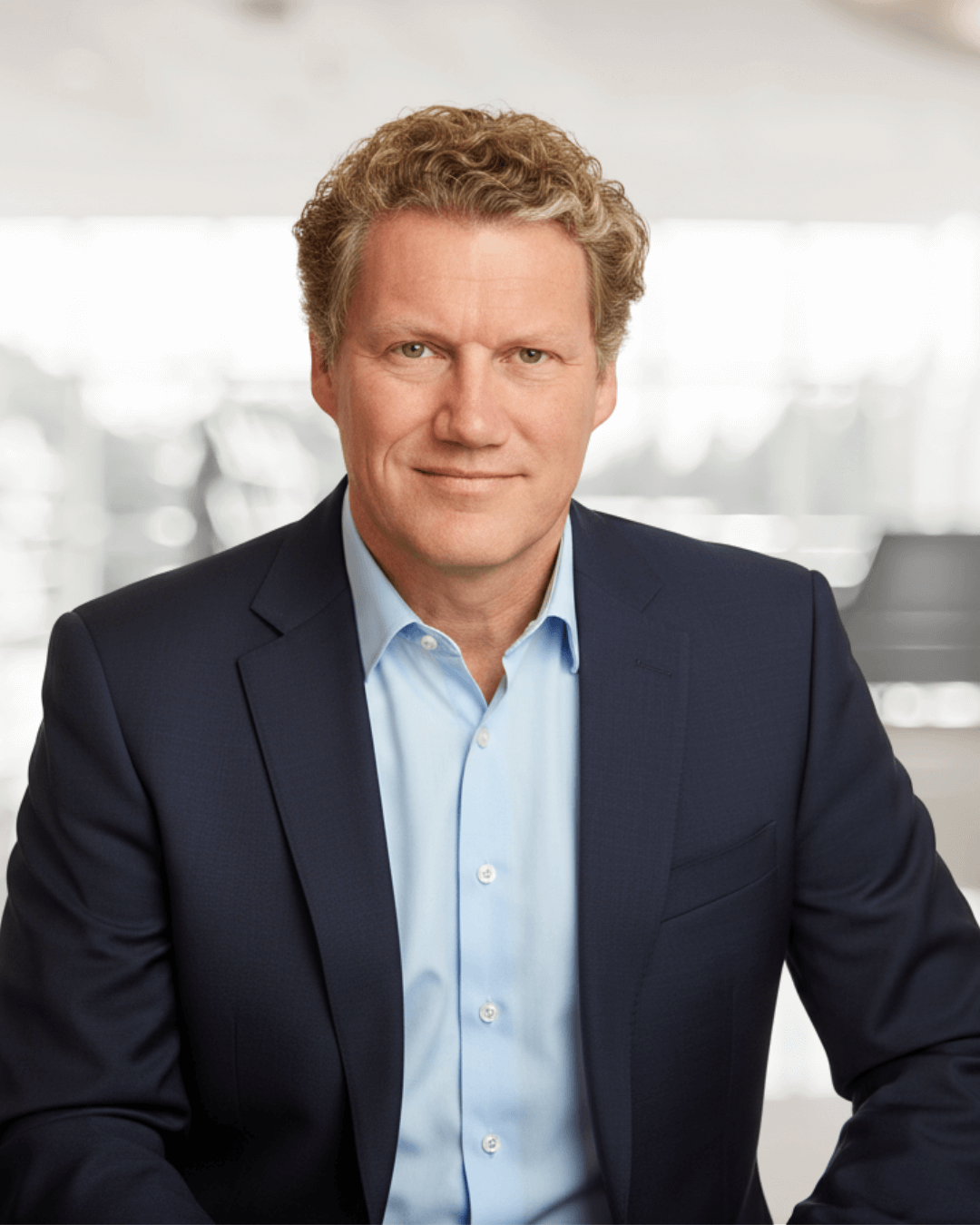
A man in a blue suit and light blue shirt, with curly blond hair, smiles softly against a blurred, bright indoor background, conveying professionalism.

Prof. Erik de Haan

Relational Coaching

Highlights & Achievements:

Professor, executive coach, and leading expert in coaching supervision. Erik is widely recognised for his contributions to relational coaching, organisational development, and reflective practice, supporting both individual coaches and leadership systems worldwide.
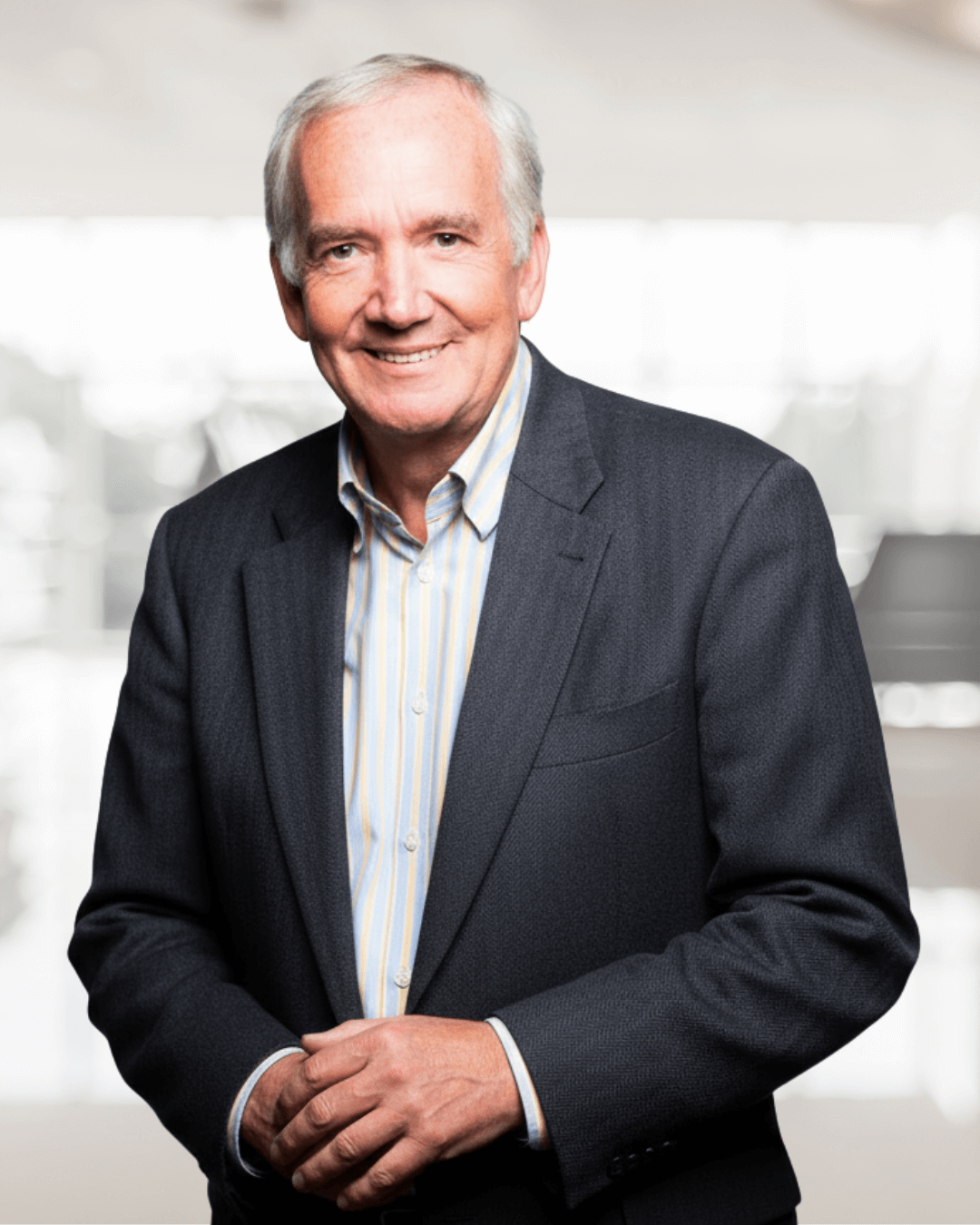
Elderly man in a dark suit and striped shirt smiles warmly, standing in a bright, blurred background. The tone is professional and approachable.

Prof. Peter Hawkins

The Coaching Relationships

Highlights & Achievements:

Professor of Leadership and a leading authority in systemic team coaching and coaching supervision. Peter works internationally with boards, leadership teams, and organisations, and has written extensively on leadership, coaching culture, and systemic change.
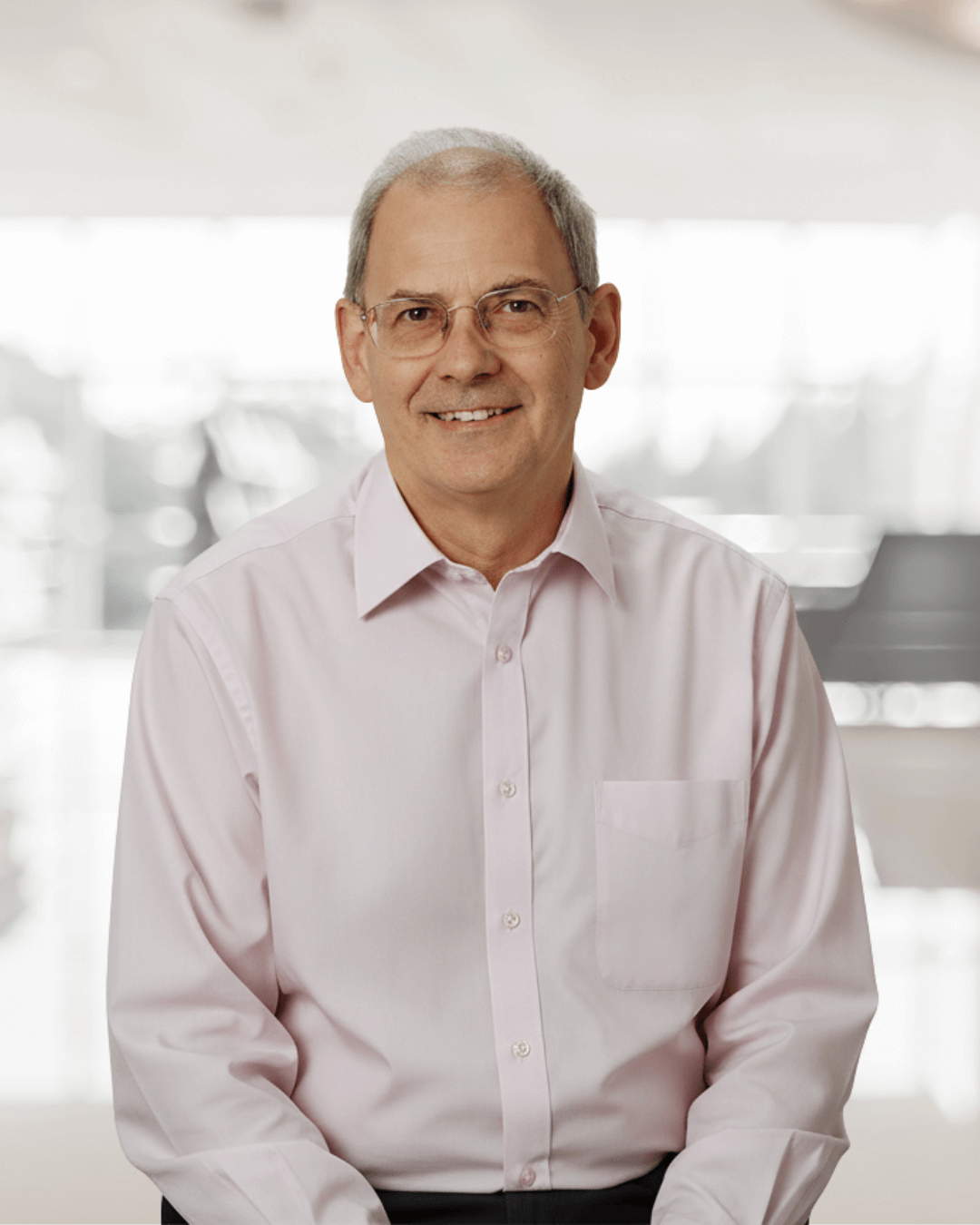
Smiling older man in glasses and a light pink shirt sits indoors, with a softly blurred background of a modern, brightly lit office space.

Prof. David Clutterbuck

Goals

Highlights & Achievements:

One of the world’s most influential figures in coaching and mentoring. Professor Clutterbuck has authored and co-authored foundational texts in coaching, mentoring, and organisational development. His work has shaped global standards for coaching practice, supervision, and mentoring relationships.
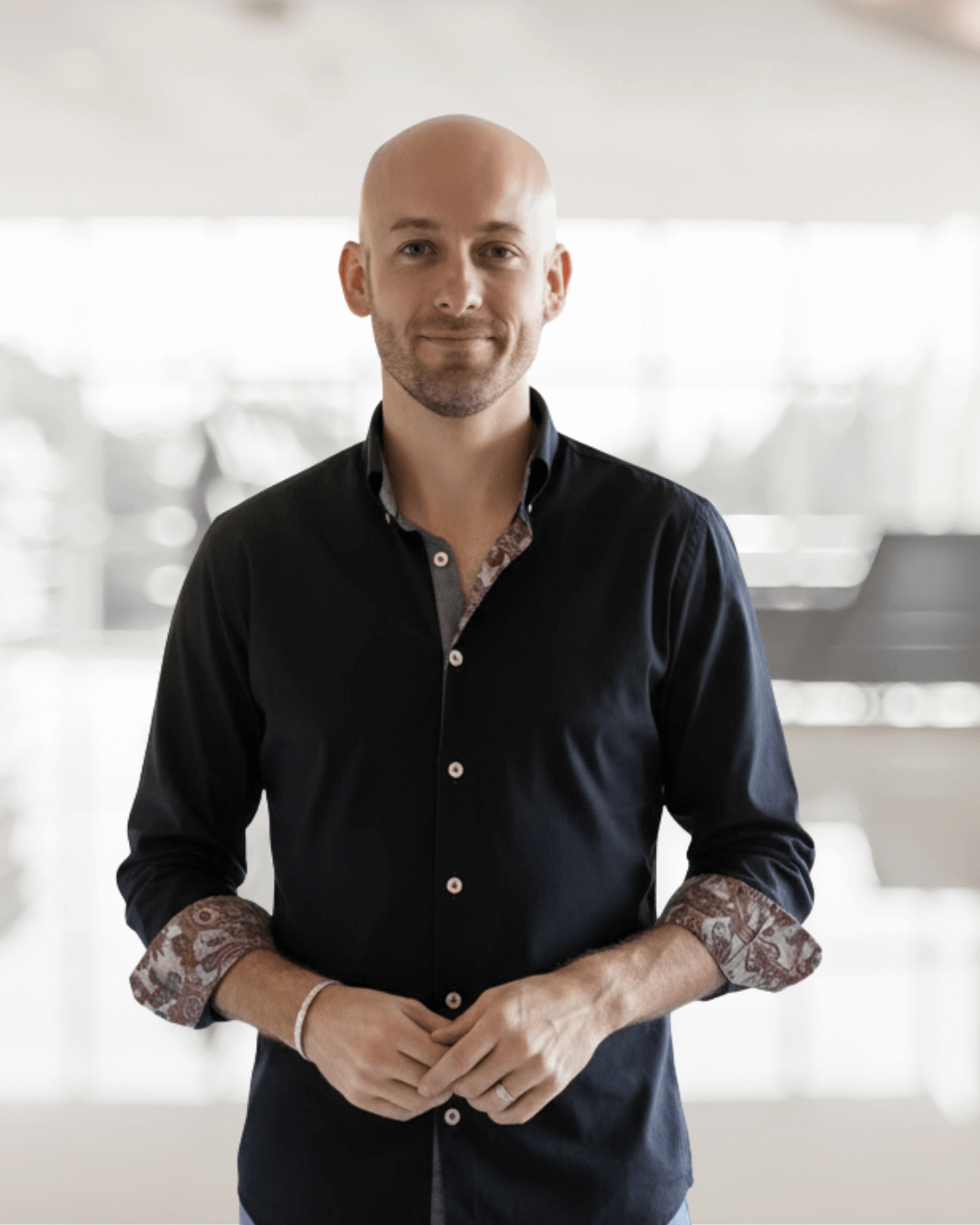
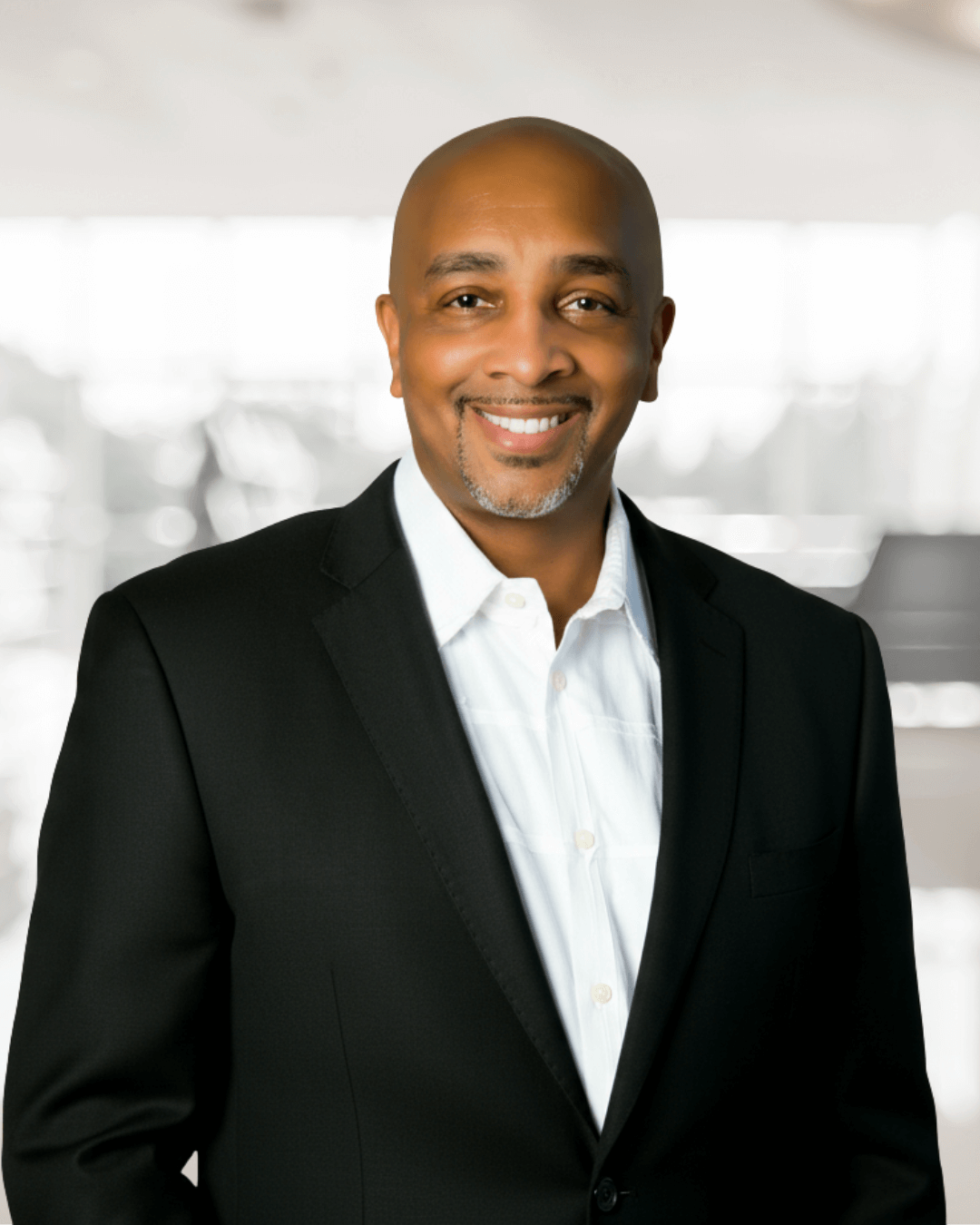
A bald man in a dark, buttoned shirt with patterned cuffs stands indoors. He smiles subtly, with a bright, blurred background, exuding a calm, confident presence.

Devon White

Communication

Highlights & Achievements:

Coach and leadership development practitioner involved in contemporary coaching education. Devon has contributed to professional coaching programmes and discussions alongside established academics and practitioners in the coaching field.
Smiling woman with short auburn hair wearing a black dress and polka dot jacket. She stands confidently in a bright, blurred office setting.

Linda Aspey

The Coaching Relationships

Highlights & Achievements:

Coach, facilitator, and contributor to professional coaching education. Linda is recognised within the coaching psychology and leadership development community for her involvement in learning programmes, events, and reflective coaching practice.
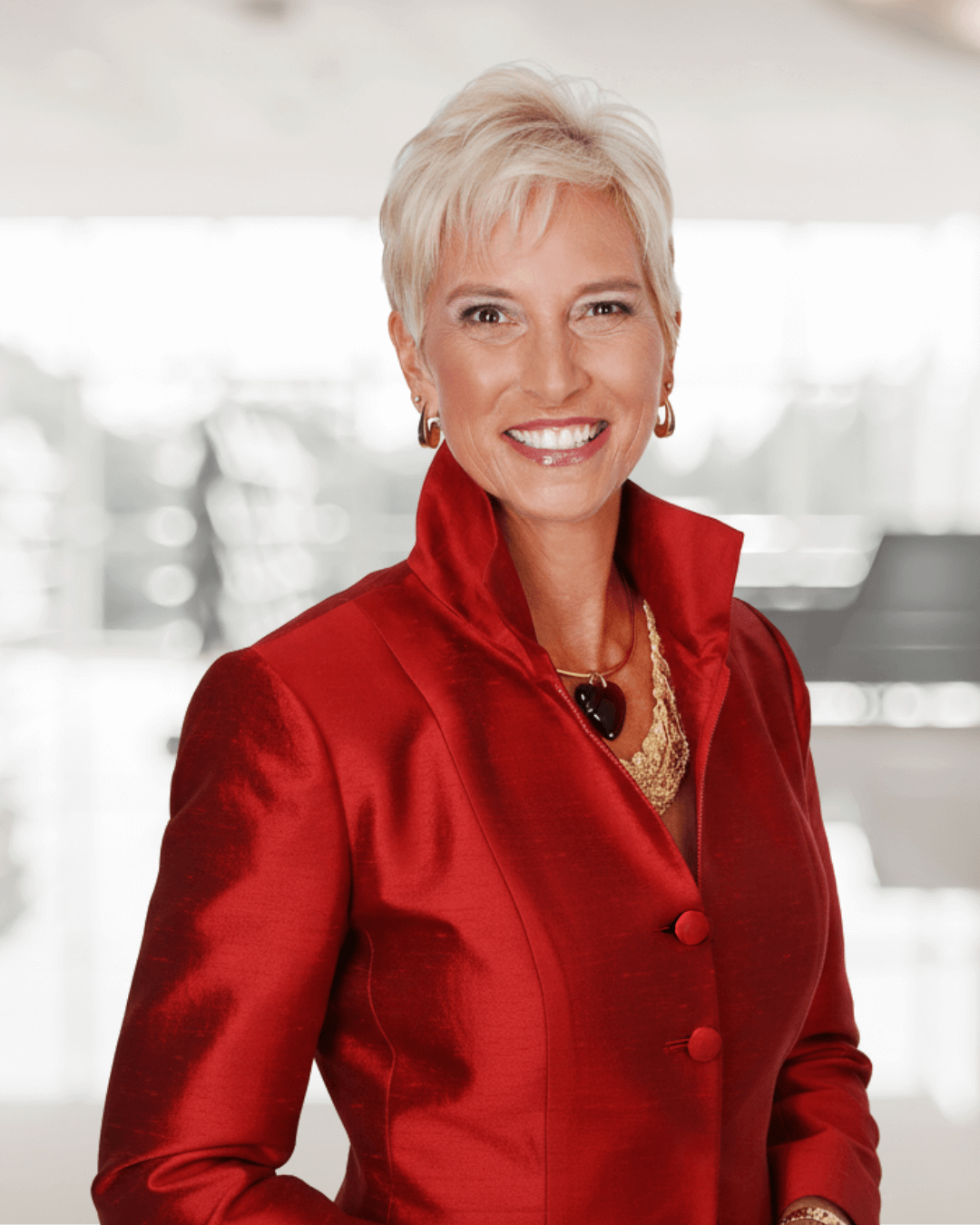
A woman with short white hair smiles confidently, wearing a red blazer with a popped collar. The background is softly blurred, creating a warm, professional ambiance.

Dr. Chérie Carter-Scott

Psychological Foundations

Highlights & Achievements:

Executive coach, author, and pioneer in the coaching profession. Often referred to as “The Mother of Coaching,” Dr. Carter-Scott has been a leading voice in personal and professional development since the 1970s. She is a bestselling author and has trained coaches and leaders worldwide in motivation, leadership, change, and self-esteem.
Smiling man in suit with colorful tie stands in bright, blurred office. Hands clasped, he exudes confidence and warmth.

Prof. Jonathan Passmore

An Introduction to Coaching

Highlights & Achievements:

Chartered Psychologist, Professor of Coaching and Behavioural Change, executive coach, and author. Jonathan has published extensively in coaching psychology, leadership, and organisational change, including numerous academic articles and books. He bridges academic research and applied practice, contributing globally to coach education and evidence-based coaching.
Smiling man in a black suit and white shirt stands against a softly blurred, bright background. The atmosphere is professional and approachable.

Dr. D. Ivan Young

The Coaching Relationships

Highlights & Achievements:

Coach, educator, and thought leader in professional and relationship-focused coaching. Dr. Young is frequently featured alongside senior coaching scholars and practitioners in advanced coaching education and professional development settings, contributing to the evolution of reflective and relational coaching practice.
Smiling woman with short red hair wearing a blue blouse and earrings, standing in a softly blurred indoor setting, conveying a warm, professional tone.

Catherine Bell

Psychological Foundations

Highlights & Achievements:

Professional Certified Coach (PCC) and Master of Applied Positive Psychology (MAPP). Catherine specializes in leadership transitions, executive presence, and sustainable performance. Her work combines positive psychology, emotional intelligence, and strategic leadership development to help leaders thrive while maintaining wellbeing and purpose.
Smiling man in a navy blazer and shirt stands confidently with hands in pockets. The backdrop is a softly blurred office environment, conveying professionalism.

Yannick Jacob

An Introduction to Coaching

Highlights & Achievements:

Existential Coach, Positive Psychologist, Coach Trainer, and Supervisor. Yannick is the Programme Lead for the Accredited Certificate in Integrative Coaching at the School of Positive Transformation. He has taught coaching, positive psychology, and personal development at institutions including the University of East London, Animas Centre for Coaching, and The School of Life. His work integrates existential philosophy, coaching psychology, and human development to support meaningful change in individuals and leaders.
life in all happs

Highlights & Achievements: