Bringing back the humans – Adding Positive Practices to Agile Organizations

Adding positive practices as a methodology for software development practices in the business world. This article suggests a psychologist or practitioner can provide much to an agile organization by helping them evaluate the impact of agile frameworks on employees. Whilst agile setups may enable considerable time-saving and success for a company, there may be value in evaluating how to ensure overall company practices are still congruent with ensuring employees’ well-being, creativity, and development.

Before you continue you might like to consider our free worksheet on exploring “Crush Self-Doubt and Be Confident”. Please download this worksheet here.

Establishing an agile development community has during the last decade or so become core within many workplaces that work with any type of software development. This has become common-place enough that there is value for a psychologist or practitioner going into a workplace involved in any IT development, in becoming familiar with the now well established “agile manifesto” that is behind most agile working setups. https://agilemanifesto.org/.

Whilst there is some tailoring that can be done by applying Prince2 or other project-based management structures, agile frameworks apply relatively fixed elements. These elements being part of their success. The agile framework “Scrum” for example, applies strict time-boxed meetings and maintains a relatively flat hierarchy. Staff members are grouped on an equal basis into a “development team” – whether they are a software developer, a subject matter expert, or a tester. This strict framework being arguably why Scrum experts such as Jeff Sutherland (2014) have been able to document how organizations can do twice as much work in perhaps half of the time they did before.

The results of agile frameworks speak for themselves alongside the growing number of courses and companies turning to them. The experts in the field encourage us to embrace it (Rigby, Sutherland & Takeuchi, 2016)

However, looking through another lens, for example as a positive psychology practitioner, creating the human values in an agile team is largely around productivity and harmony. The agile framework enables individuals through a focus on them as each being an equally important part of the wider team. The team being masterfully enabled to work efficiently and succeed in achieving output on schedule.

Agile working methods have promoted a constant striving for refinement and creating even better practices that remind me of athletics champions: someone is always striving to take even a split-second off a track record. Decades of use of Agile, are summed up in the sub-title of LeMay’s 2019 book, which promises “Creating fast, flexible and customer-first organizations.”

I am not denying the value of Agile practices. What I am suggesting is however that as practitioners, psychologists, or managers in the workplace, we have a role to play in taking a step back to look for the individual human in all of this. Not just a team player, getting the top results for their company but a person wanting to have a good experience at work.

A psychologist or practitioner may be able to encourage a little more focus on the well-being of the individual creating the ‘fast, flexible customer solutions’. My challenge to you then is when working with or for an organization working with an Agile framework is to consider the following research (or other elements of positive organizational psychology that you are aware of):

  • Morale can differentiate at an individual and team level (Hart & Cooper, 2001). An agile framework based set up is often based on creating a successful team. Consider how you can encourage practices that still allow the individuals to feel their psychological needs are met. This is important for staff wellbeing and engagement (Bakker & Demerouti, 2018).
  • Consider using a holistic model such as the LIFE Model (Lomas, Hefferon & Ivtzan, 2014) to remind the company that the individual employee should also be a focus. Not just output. Analyzing a company using the LIFE Model looks can produce a much broader view. It covers a multitude of layers and strata. At an individual level, it can show how a person connects to their workplace may be about how they interact with the message of the workplace and the company’s role in society. It can also help with analyzing the impact of how employees sit physically within the walls of the company itself. To create fast, flexible results, companies do need individuals that feel allegiance with the company they work for.
  • Look into if the individuals at the organization are experiencing positive emotions as a result of the Agile framework being practiced. Lack of performance comes from a negative work environment (Hart, 1999; Hart & Cotton, 2001).
  • Alongside the focus on team achievement and output, look at practices the company can engage in to ensure individual staff members still have autonomy, and despite pressured time-boxes, that they experience warmth and engagement. These are job resources correlated to positive emotions (Xanthopoulou et al., 2012).

Adding Positive Practices the human resource and is driven by the innovation of team members and problem-solving skills. The structured nature of agile setups potentially takes an organization’s focus away from ensuring the well-being of individual staff. This may be why we read articles or stories of organizations that are operating a mix of agile development and positive organizational psychology. As practitioners and psychologists, we can change this and bring a new perspective.


Ready to enhance well-being and engagement in your agile team? Download our free ‘Meditation Guide Workbook’ and discover how mindfulness can improve individual and team performance.


WAIT!

Before you go, we'd like to give you a FREE workbook to support your journey 👇

Smiling woman with wavy brown hair wearing a navy blazer and white shirt, standing in a softly blurred office setting, conveying positivity.

Carolyn Freyer-Jones

Kickstart Your Coaching Practice

Highlights & Achievements:

Coach, facilitator, and contributor to coaching education. Carolyn is associated with practical coaching training and learning resources, supporting coaches and leaders in developing effective, ethical, and reflective coaching practices.
Man in a light blue shirt smiles gently at the camera. He has short, dark hair and stands against a blurred indoor backdrop, conveying warmth and approachability.

Rob Willson

Cognitive Behavioral Coaching

Highlights & Achievements:

Coach and educator contributing to leadership and coaching skills development. Rob is involved in professional training contexts, supporting the application of coaching tools and methodologies in organisational settings.
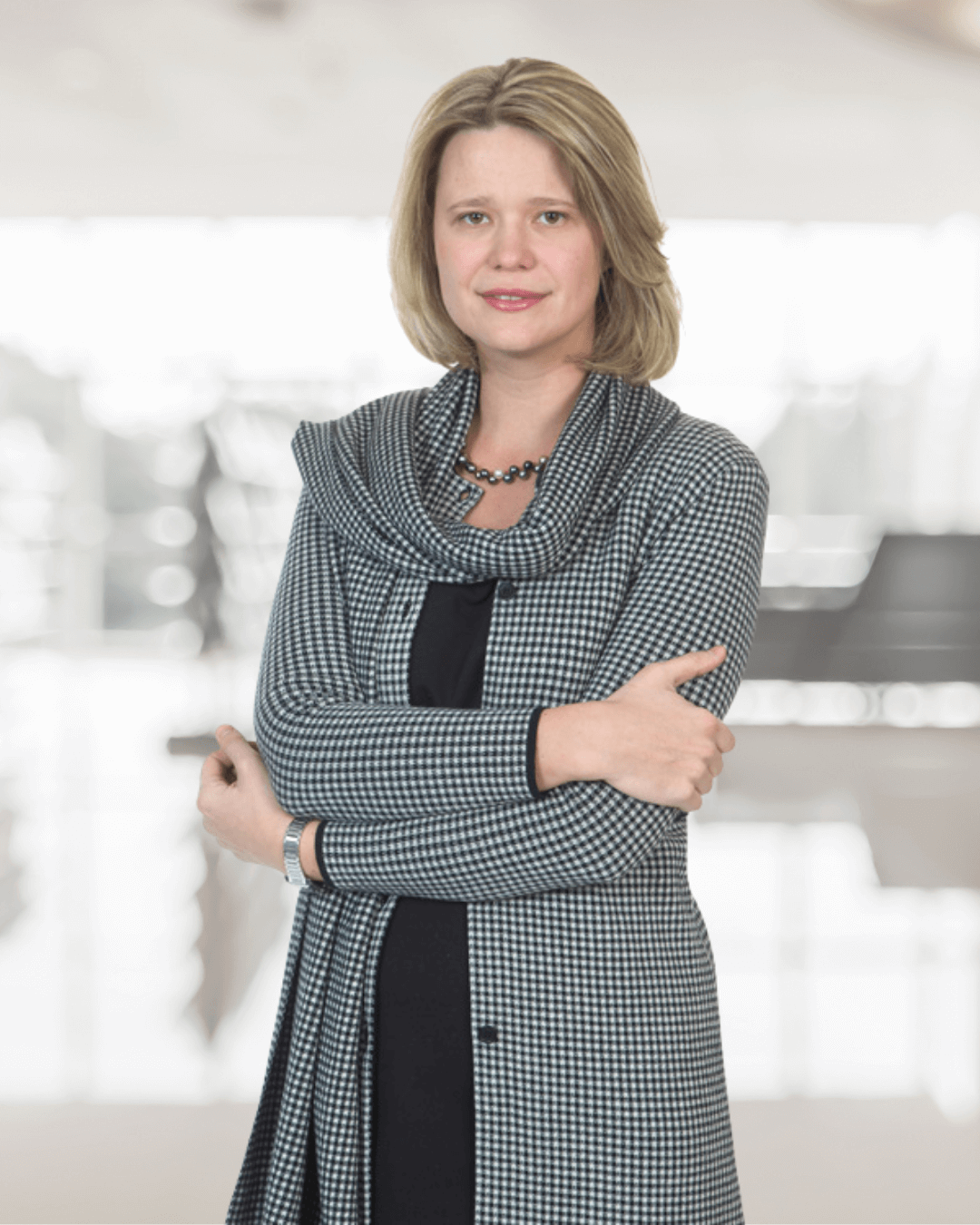
A woman with shoulder-length blonde hair is confidently posing with crossed arms. She wears a black and white checkered outfit and a necklace. The background is softly blurred, suggesting an indoor setting.

Prof. Ilona Boniwell

Positive Psychology Coaching

Highlights & Achievements:

Professor of Positive Psychology and Coaching Psychology. Ilona is a pioneer of applied positive psychology education in Europe and has founded and led postgraduate programmes in the field. Her work focuses on wellbeing, resilience, strengths, and evidence-based positive psychology interventions.
A middle-aged man with short gray hair and a beard wears a white turtleneck and a navy blue striped sweater, standing confidently indoors.

Jon Williams

Coaching for Performance

Highlights & Achievements:

Coach and contributor to professional coaching education and training programmes. Jon is involved in leadership and coaching development initiatives, supporting skill-building and reflective practice within organisational and coaching contexts.
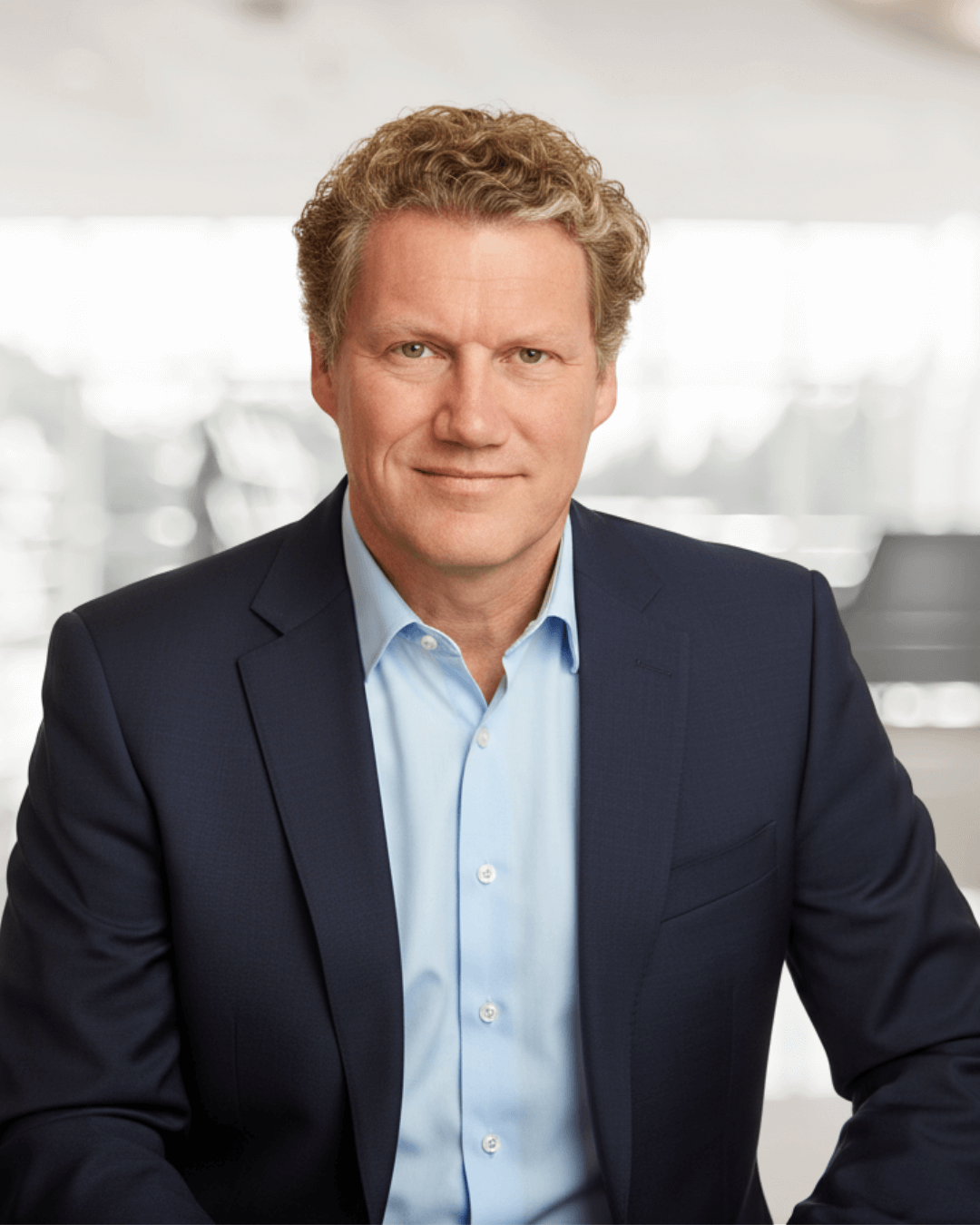
A man in a blue suit and light blue shirt, with curly blond hair, smiles softly against a blurred, bright indoor background, conveying professionalism.

Prof. Erik de Haan

Relational Coaching

Highlights & Achievements:

Professor, executive coach, and leading expert in coaching supervision. Erik is widely recognised for his contributions to relational coaching, organisational development, and reflective practice, supporting both individual coaches and leadership systems worldwide.
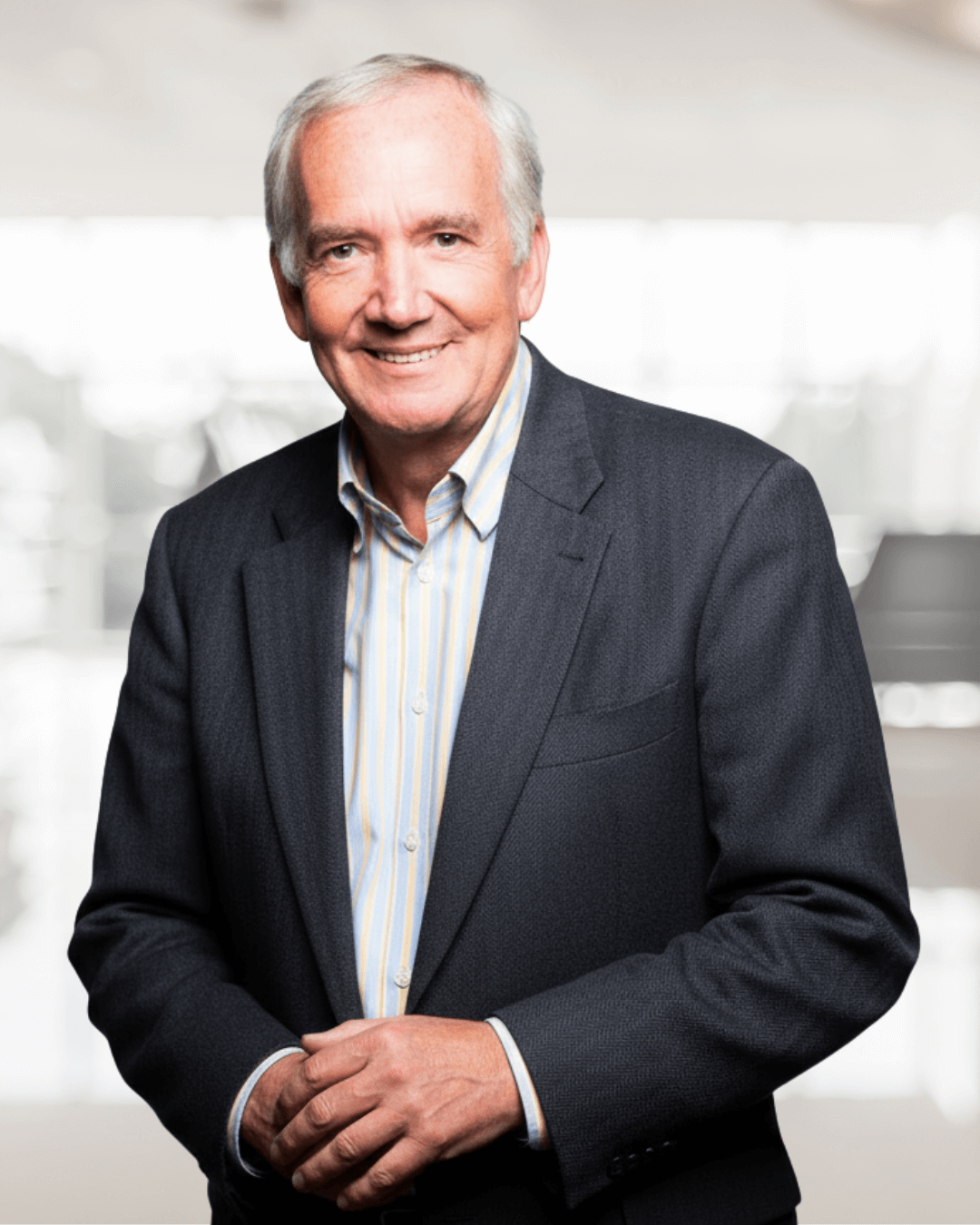
Elderly man in a dark suit and striped shirt smiles warmly, standing in a bright, blurred background. The tone is professional and approachable.

Prof. Peter Hawkins

The Coaching Relationships

Highlights & Achievements:

Professor of Leadership and a leading authority in systemic team coaching and coaching supervision. Peter works internationally with boards, leadership teams, and organisations, and has written extensively on leadership, coaching culture, and systemic change.
Smiling older man in glasses and a light pink shirt sits indoors, with a softly blurred background of a modern, brightly lit office space.

Prof. David Clutterbuck

Goals

Highlights & Achievements:

One of the world’s most influential figures in coaching and mentoring. Professor Clutterbuck has authored and co-authored foundational texts in coaching, mentoring, and organisational development. His work has shaped global standards for coaching practice, supervision, and mentoring relationships.
A bald man in a dark, buttoned shirt with patterned cuffs stands indoors. He smiles subtly, with a bright, blurred background, exuding a calm, confident presence.

Devon White

Communication

Highlights & Achievements:

Coach and leadership development practitioner involved in contemporary coaching education. Devon has contributed to professional coaching programmes and discussions alongside established academics and practitioners in the coaching field.
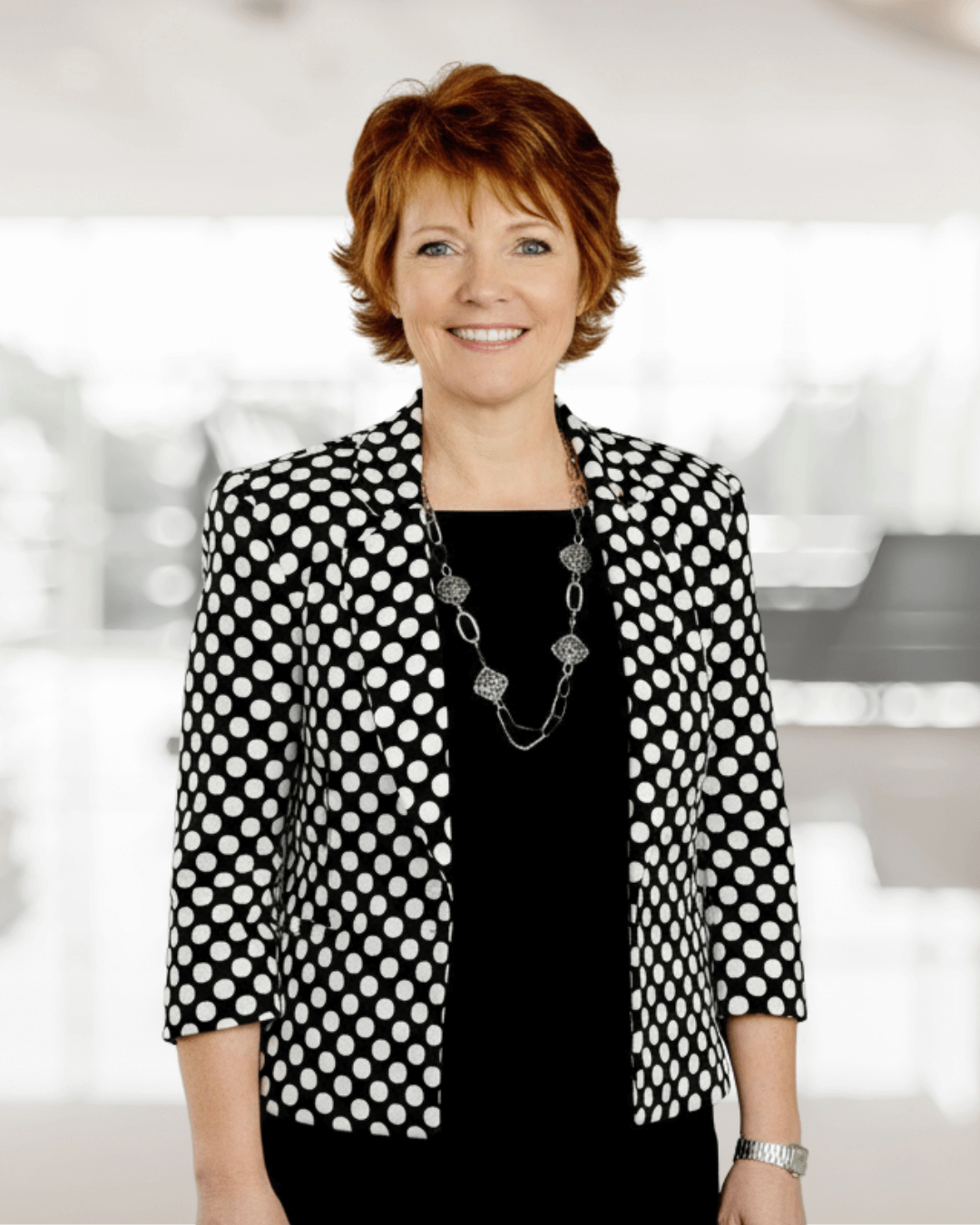
Smiling woman with short auburn hair wearing a black dress and polka dot jacket. She stands confidently in a bright, blurred office setting.

Linda Aspey

The Coaching Relationships

Highlights & Achievements:

Coach, facilitator, and contributor to professional coaching education. Linda is recognised within the coaching psychology and leadership development community for her involvement in learning programmes, events, and reflective coaching practice.
A woman with short white hair smiles confidently, wearing a red blazer with a popped collar. The background is softly blurred, creating a warm, professional ambiance.

Dr. Chérie Carter-Scott

Psychological Foundations

Highlights & Achievements:

Executive coach, author, and pioneer in the coaching profession. Often referred to as “The Mother of Coaching,” Dr. Carter-Scott has been a leading voice in personal and professional development since the 1970s. She is a bestselling author and has trained coaches and leaders worldwide in motivation, leadership, change, and self-esteem.
Smiling man in suit with colorful tie stands in bright, blurred office. Hands clasped, he exudes confidence and warmth.

Prof. Jonathan Passmore

An Introduction to Coaching

Highlights & Achievements:

Chartered Psychologist, Professor of Coaching and Behavioural Change, executive coach, and author. Jonathan has published extensively in coaching psychology, leadership, and organisational change, including numerous academic articles and books. He bridges academic research and applied practice, contributing globally to coach education and evidence-based coaching.
Smiling man in a black suit and white shirt stands against a softly blurred, bright background. The atmosphere is professional and approachable.

Dr. D. Ivan Young

The Coaching Relationships

Highlights & Achievements:

Coach, educator, and thought leader in professional and relationship-focused coaching. Dr. Young is frequently featured alongside senior coaching scholars and practitioners in advanced coaching education and professional development settings, contributing to the evolution of reflective and relational coaching practice.
Smiling woman with short red hair wearing a blue blouse and earrings, standing in a softly blurred indoor setting, conveying a warm, professional tone.

Catherine Bell

Psychological Foundations

Highlights & Achievements:

Professional Certified Coach (PCC) and Master of Applied Positive Psychology (MAPP). Catherine specializes in leadership transitions, executive presence, and sustainable performance. Her work combines positive psychology, emotional intelligence, and strategic leadership development to help leaders thrive while maintaining wellbeing and purpose.
Smiling man in a navy blazer and shirt stands confidently with hands in pockets. The backdrop is a softly blurred office environment, conveying professionalism.

Yannick Jacob

An Introduction to Coaching

Highlights & Achievements:

Existential Coach, Positive Psychologist, Coach Trainer, and Supervisor. Yannick is the Programme Lead for the Accredited Certificate in Integrative Coaching at the School of Positive Transformation. He has taught coaching, positive psychology, and personal development at institutions including the University of East London, Animas Centre for Coaching, and The School of Life. His work integrates existential philosophy, coaching psychology, and human development to support meaningful change in individuals and leaders.
bringing back the humans adding positive practices to agile organizations

Highlights & Achievements: