Meditation, a practice with ancient origins, is widely reported to offer a multitude of health benefits. Among these, its potential to assist individuals with Attention Deficit Hyperactivity Disorder (ADHD) has garnered considerable interest. ADHD is characterised by symptoms such as inattention, hyperactivity, and impulsivity, which can create significant challenges in the daily lives of those affected. There is growing evidence to suggest that incorporating mindfulness and meditation into one’s routine may have a positive impact on these symptoms.
Mindfulness meditation, in particular, has been shown to cultivate a greater awareness of the present moment, which may foster an improvement in concentration and focus for people with ADHD. A regular meditation practice could potentially rewire the brain to enhance cognitive functions related to attention and executive control. This would be especially beneficial for adults and children experiencing the hallmark inattentiveness of ADHD.
Research conducted on meditation strategies reveals varying techniques suited to different preferences and lifestyles. These investigation findings highlight that not only can meditation be adapted to suit the needs of those with ADHD, but it also may contribute to improved mood, attention, and overall quality of life. Given the non-pharmacological nature of meditation, it offers a complementary approach that individuals with ADHD may consider integrating alongside other treatments and therapies.
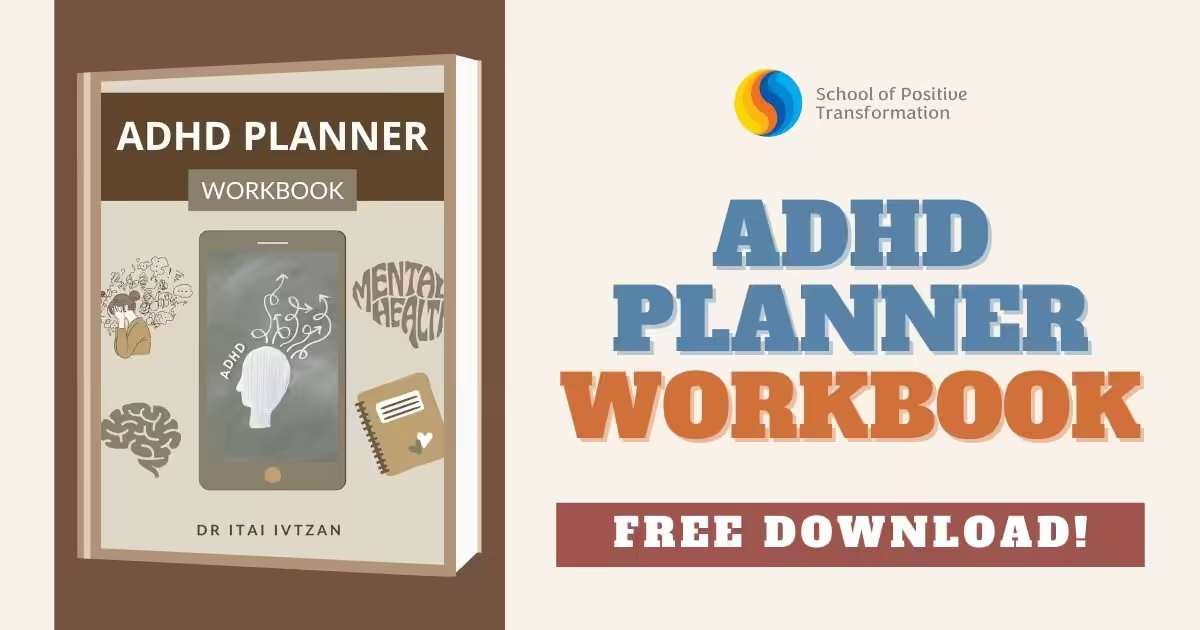
Before you continue you might like to consider our free worksheet on exploring “ADHD Planner”. please download this worksheet here.
Understanding ADHD and its Challenges
Attention Deficit Hyperactivity Disorder (ADHD) is a complex neurodevelopmental condition that poses various challenges to affected individuals across different aspects of their lives. This section delves into the neurological underpinnings of ADHD, its manifest symptoms and behaviours, and how they impact daily functioning.
Neurodevelopmental Basis of ADHD
ADHD is characterised by differences in brain development and activity that influence the individual’s ability to regulate attention, focus, and behaviour. Central to this disorder is the prefrontal cortex, an area of the brain associated with executive functions such as planning, impulse control, attention, and emotional regulation. These functions can be significantly disrupted in individuals with ADHD.
Common Symptoms and Behaviours
Individuals with ADHD often exhibit a range of symptoms that include, but are not limited to:
- Inattention: Difficulty sustaining focus, forgetfulness in daily activities, and frequent distractions.
- Hyperactivity: Excessive movement, restlessness, and difficulty staying still.
- Impulsivity: Acting without thinking, interruption of others, and an increased propensity for risk-taking behaviours.
These symptoms can vary in presence and severity across individuals.
ADHD Impact on Daily Living
ADHD can have a profound impact on everyday life. Challenges include:
- Education and Work: Difficulty staying focused on tasks can lead to underperformance in academic and professional settings.
- Relationships: Impulsivity and emotional dysregulation can strain personal interactions.
- Self-esteem: Persistent challenges can affect an individual’s belief in their capabilities.
Moreover, individuals with ADHD may experience co-occurring conditions such as anxiety, which can further complicate diagnosis and management. Medication and mental training techniques like meditation are often employed to address some of these challenges.
Meditation as a Tool for ADHD Management
Meditation has emerged as a significant tool for managing ADHD, offering a complementary approach to traditional medications. Specific meditation practices tailored for ADHD can enhance concentration and cognitive skills, while fostering a sense of inner calm.
Types of Meditation Suitable for ADHD
Mindfulness meditation, which involves maintaining an awareness of the present moment, is particularly beneficial for individuals with ADHD. It helps improve focus and self-monitoring. Mindful meditation emphasises observing thoughts and feelings without judgment, which can be particularly helpful in managing the distractibility that comes with ADHD. Additionally, Zen meditation and walking meditation provide alternative forms that encourage a meditative state through repetitive motion, which can be soothing for those who prefer not to sit still. Incorporating meditation into daily activities can anchor this practice within a person’s routine.
Meditation and the Brain’s Functioning
Practices such as mindfulness-based interventions and focus meditation engage the brain’s frontal lobes — areas critical for attention and executive function. By promoting relaxation and deep breathing, meditation can help reduce stress, a common issue in individuals with ADHD. The enhanced relaxations can contribute to better stress reduction and iron out the fluctuations of attention. Additionally, through regular practice, meditation can complement cognitive skills training, serving to heighten concentration and improve overall cognitive functioning.
Establishing a Meditation Routine
Creating a routine is key for the utility of meditation in managing ADHD. Start with short sessions of deep breathing or mindful meditation to establish a habit. Consider using a meditation app that specialises in ADHD to help guide the process. Daily practices, even as brief as a few minutes, can build a foundation of awareness and compassion, which facilitates the integration of meditation into a person’s life. As an adjunct to stimulant medications, a well-established meditation routine can provide a non-pharmacological avenue to enhance attention and concentration.
Integrating Meditation into Daily Life and ADHD Strategies

Integrating meditation into the daily routine of individuals with ADHD can be a balancing act between establishing a consistent practice and accommodating the unique challenges posed by ADHD. Carefully tailoring the environment, combining meditation with behavioural strategies, and tracking progress are crucial steps in making meditation a sustainable part of their treatment plan.
Creating a Conducive Environment for Meditation
To foster a meditation practice, one must ensure a setting that minimises distractions, which can be especially disruptive to individuals with ADHD. This might involve a quiet space with minimal visual stimuli, perhaps with the addition of soothing nature sounds or soft music to help maintain the focus on the present moment. The environment should promote a sense of peace, enabling the individual to exercise mindfulness practice without the interference of a wandering mind.
Essentials of a conducive environment:
- Quiet: Free from loud noises to reduce the reaction time to distractions.
- Comfort: Comfortable seating, possibly with cushions or a mat.
- Minimalism: A clear space to avoid visual clutter.
- Routine: Choosing the same place and time every day to strengthen the habit.
Combining Behavioural Strategies with Meditation
Pairing meditation with behavioural strategies can enhance the overall effectiveness in managing ADHD. Techniques such as mindfulness-based stress reduction have shown systematic review-backed improvements in sustained attention and mood regulation. Employing methods like biofeedback or software like Healium can provide immediate feedback on one’s meditation practice, thereby boosting motivation and engagement. Encouraging movement or gentle exercise before a meditation session can improve the ability to sit still, allowing for a more profound experience.
Key behavioural integrations:
- Biofeedback: Providing real-time data to help refocus attention.
- Pre-meditation movement: Yoga or a short walk to engage the body and mind.
Measuring Progress and Adjusting Approaches
Consistently monitoring one’s meditation practice and its effects on daily life is paramount. Tracking the duration of meditation sessions in relation to cognitive skills helps in assessing productivity and quality of life improvements. The insights gained from such observation can inform adjustments to one’s practice or even the wider treatment plan. This could be as simple as altering the timing of meditation or incorporating different meditation techniques like mindfulness practice to better suit one’s needs.
Tracking mechanisms:
- Journaling: Daily logs of practice times and emotional states.
- Apps: Digital tools that record practice patterns and suggest improvements.
By systematically integrating meditation into one’s daily schedule and strategically weaving together supportive behavioural strategies, individuals with ADHD may enhance their cognitive skills and overall quality of life.
Are you looking for a Positive psychology training online or Mindfulness training certification online? School of positive transformation can offer wise range of courses and trainings including Certified mindfulness training program for kids, Accredited training program online or Neuro linguistic programming training. Get in touch with us today!
Frequently Asked Questions
The following frequently asked questions provide insight into how meditation may assist in managing ADHD. They highlight practical meditation techniques and the scientific backing for their efficacy.
How might meditation aid in managing symptoms of ADHD in adults?
Individuals with ADHD often struggle with attention regulation, impulsivity, and hyperactivity. Meditation may help to cultivate focus and decrease stress, potentially leading to improved cognitive function and reduced symptom severity for adults with ADHD.
What are the most effective mindfulness practices for a child with ADHD?
For children with ADHD, mindfulness practices that involve short, engaging activities can be effective. Techniques that focus on breathing, sensory experiences, and movement can improve their mood and attention, enhancing executive functioning skills crucial in daily activities.
In what ways has research demonstrated the impacts of meditation on ADHD?
Research has indicated that consistent meditation practice can lead to changes in the brain associated with better attention and self-regulation. These benefits are reflected in various studies showing enhanced cognitive performance in individuals with ADHD who meditate regularly.
Which meditation techniques have been found beneficial for enhancing focus in ADHD?
Techniques that specifically encourage sustained attention and awareness, such as mindfulness meditation, are seen to be beneficial for enhancing focus in individuals with ADHD. These methods often involve observing one’s breath or bodily sensations without judgment.
What lifestyle adjustments can optimise well-being for individuals with ADHD?
In addition to meditation, a structured routine, regular physical exercise, and a healthy diet can optimise well-being for individuals with ADHD. Getting adequate sleep and minimising distractions in the environment are equally important for managing symptoms.
How can brain stimulation through meditation support ADHD behavioural management?
Meditation activates areas of the brain involved in attention control and emotional regulation, which can support behavioural management in ADHD. By fostering a state of calm awareness, individuals may experience a reduction in impulsive behaviour and improved decision-making abilities.
Ready to enhance your focus and well-being through meditation? Download our free worksheet to explore how mindfulness can support your ADHD management and improve your daily life.